Hazyview · Mpumalanga · South Africa
Sunstone Valley
Single-Estate Macadamias · 204 Planted Hectares
What the grove gives, named clearly.
25°03′S · 31°08′E
Hazyview · Mpumalanga · South Africa
Single-Estate Macadamias · 204 Planted Hectares
What the grove gives, named clearly.
01 — The Estate
For generations this farm was called De Rust — the rest. A place where the pace is set by the trees.
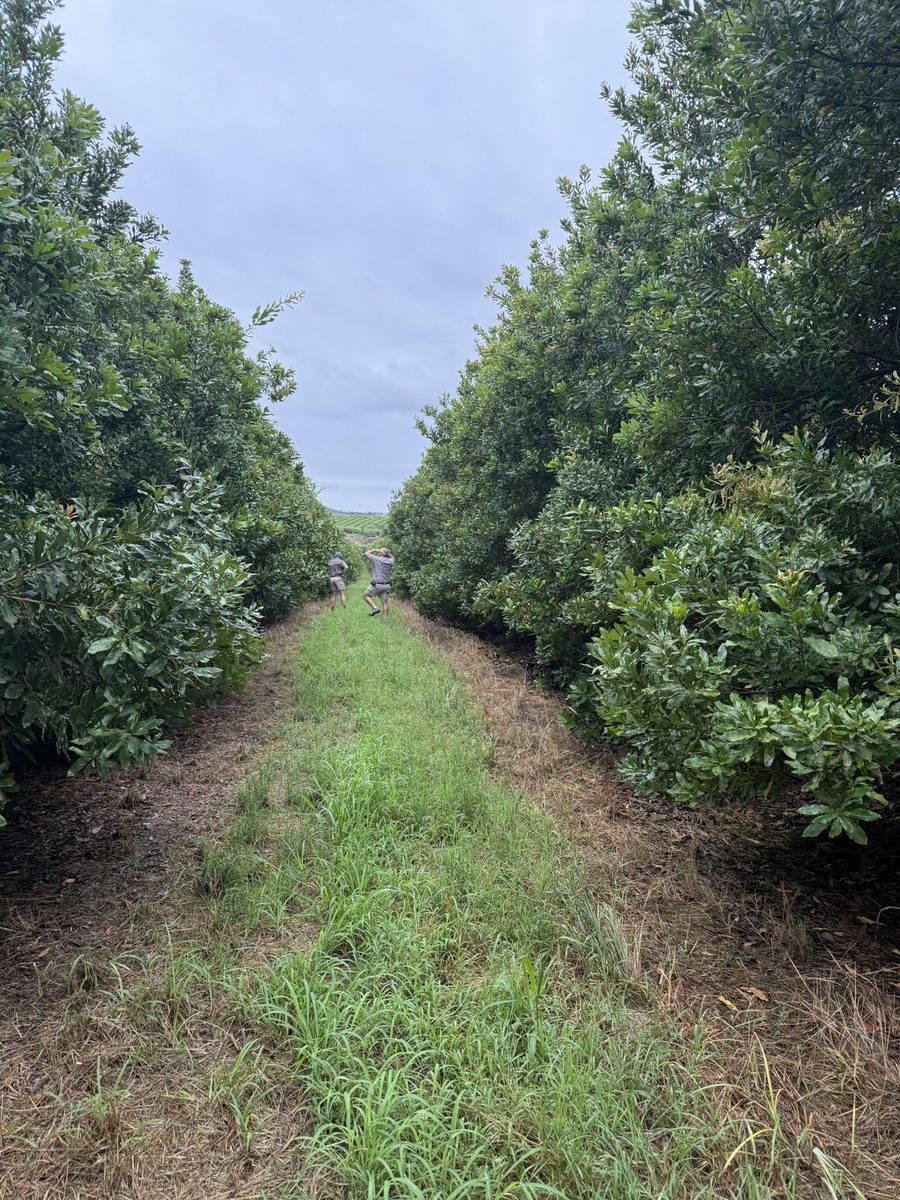
In the hills outside Hazyview, where the Sabie River valley opens toward the Kruger lowveld, lies a farm that has carried the name De Rust for generations. One family planted it, worked it, and passed it down — parents to children — building an estate of more than 390 hectares, of which 204 hectares stand planted with macadamia trees today.
We have taken over the farm from that family — and with it, their ideals. Their care for the soil, for the water, for the wildlife that moves through the orchards, and for the people of this valley remains the standard we farm by. Nature, culture and biodiversity are not chapters in a policy document here; they are how De Rust has always been run, and how Sunstone Valley will continue to run.
Today the farm is Sunstone Valley Macadamia — a new name for the same valley, the same trees, and the same way of farming: honestly, patiently, and in the open African light. De Rust lives on in the address, in the records, and in everything the orchards were given before us.
“We did not buy a farm. We were handed one — with everything a family had grown into it. Our work is to hand it on better than we found it.”Sunstone Valley Macadamias · Hazyview
From Above
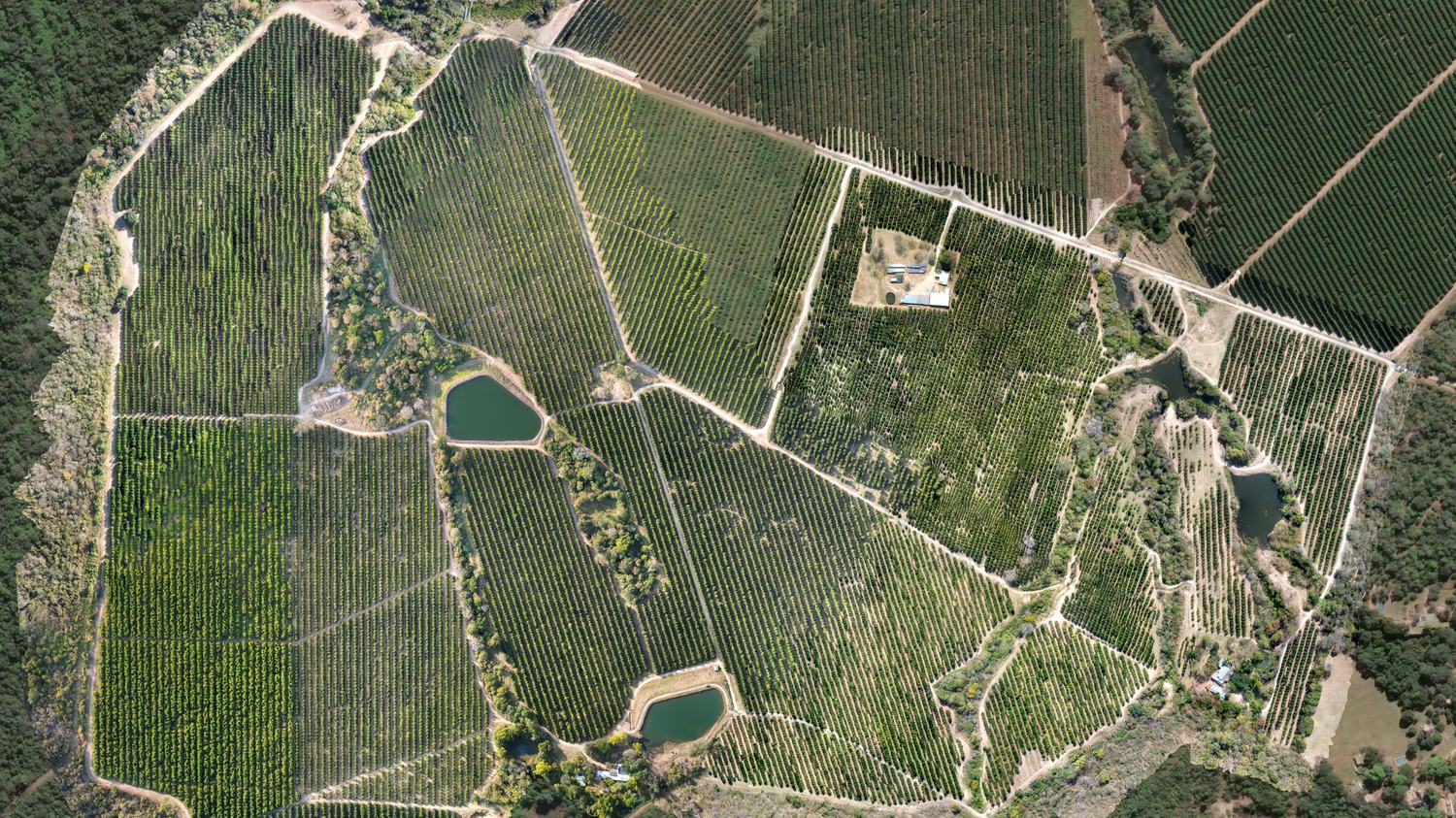
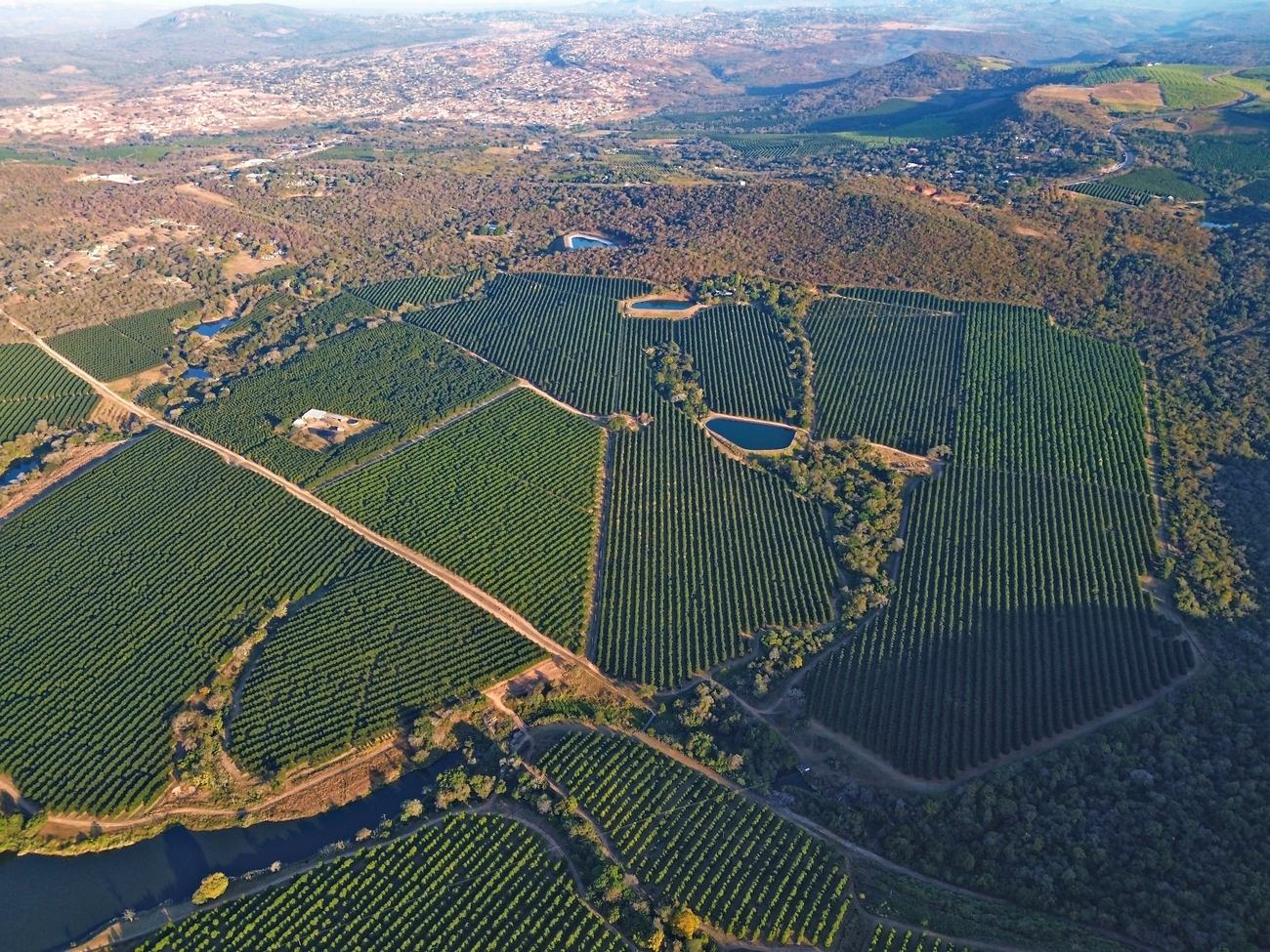
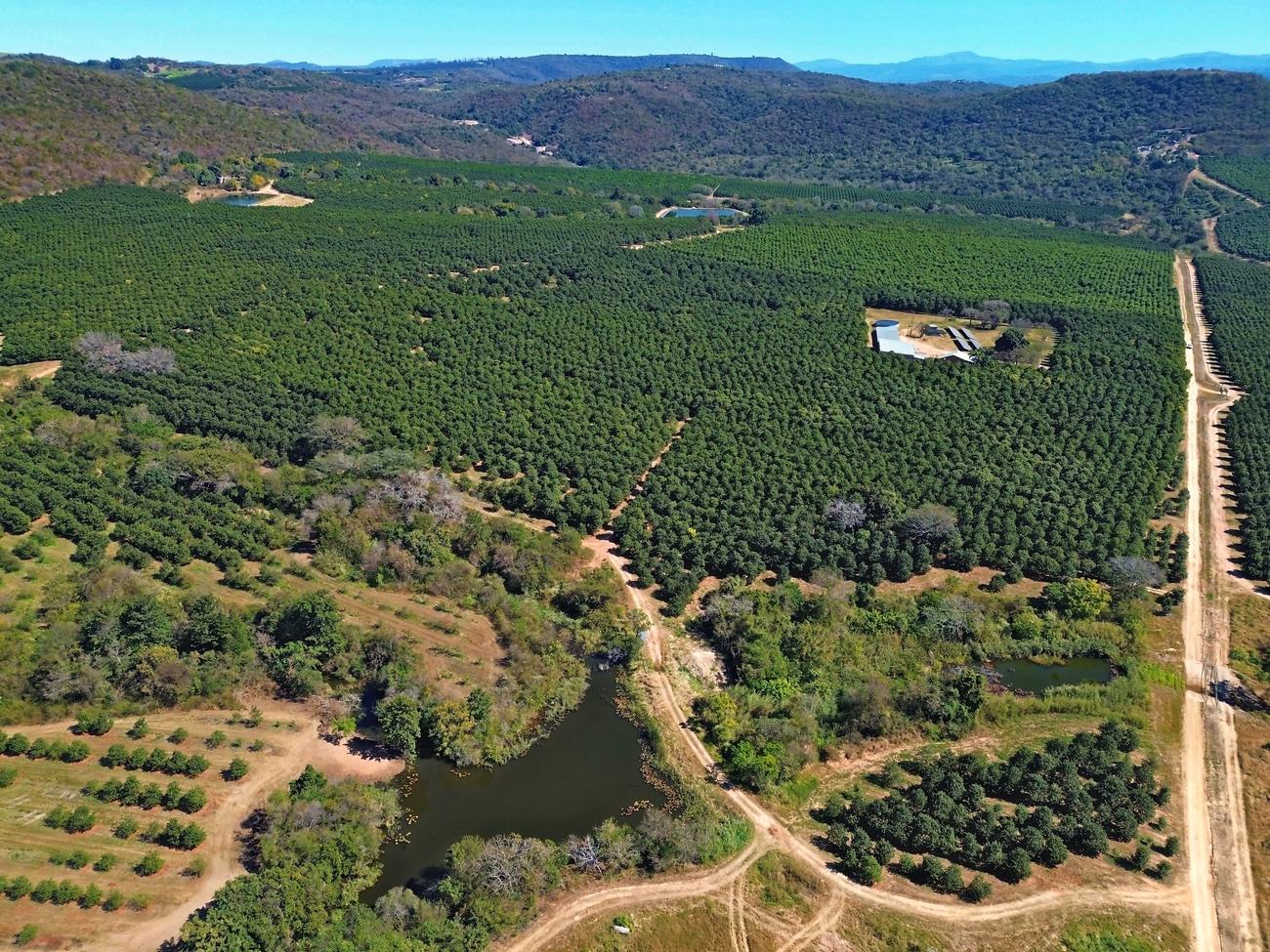
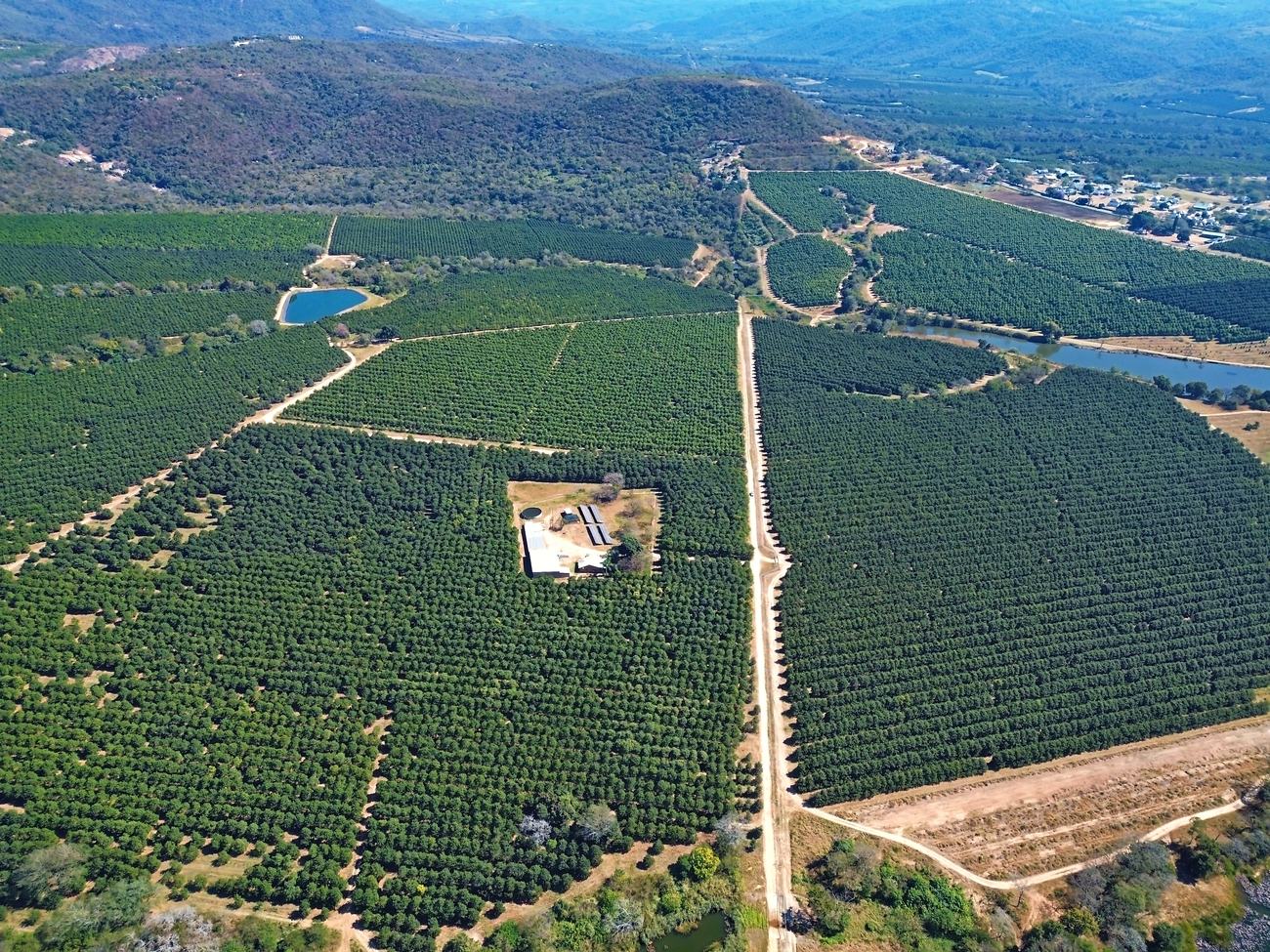
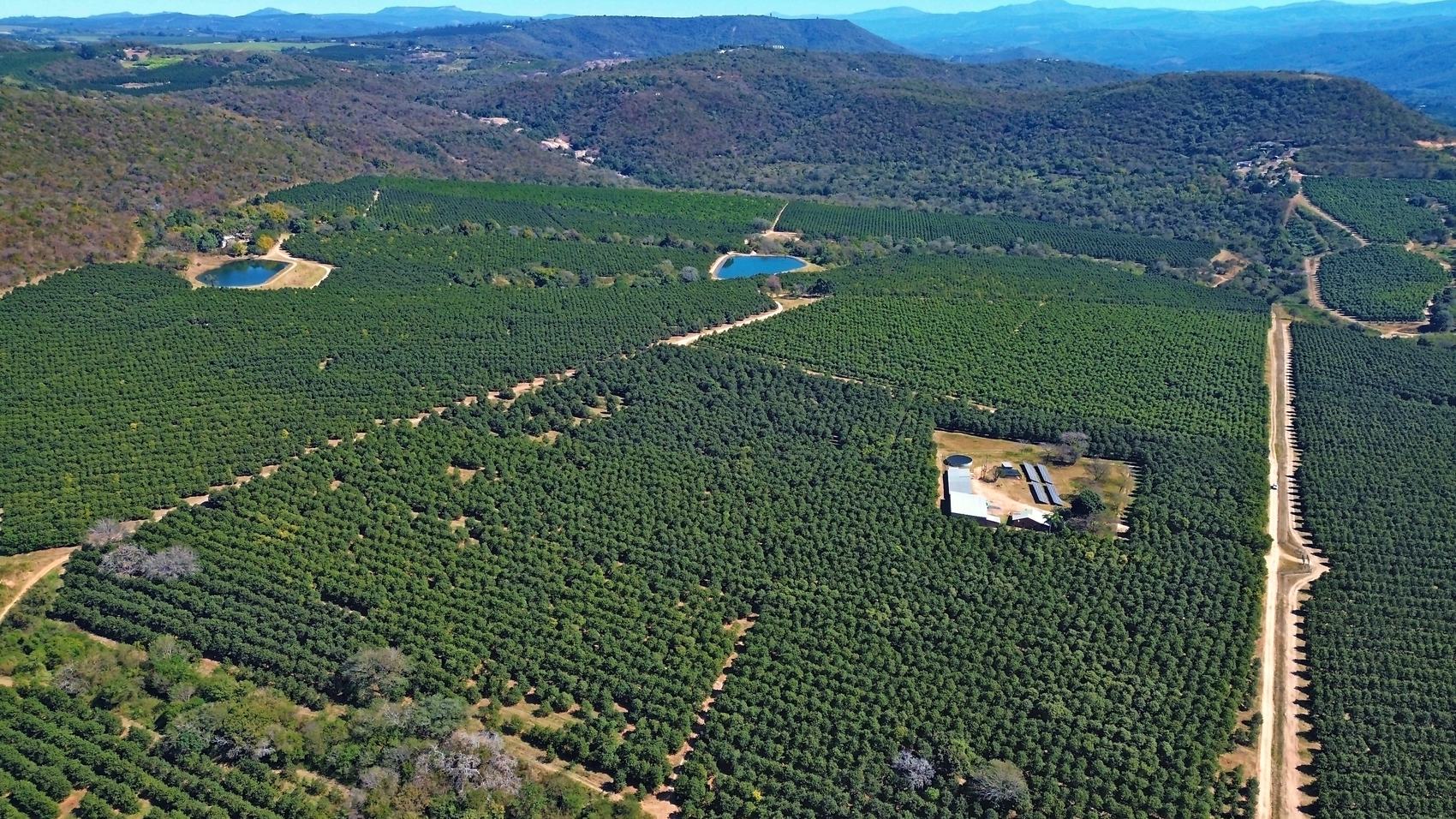
Row upon row of Beaumont, laid out across the contours of the valley — with dams, natural bush and river lines woven between the plantings.
From the Air
Blocks follow the contours rather than a grid. Dams sit where the water already wants to gather. The bush between the plantings was never cleared.
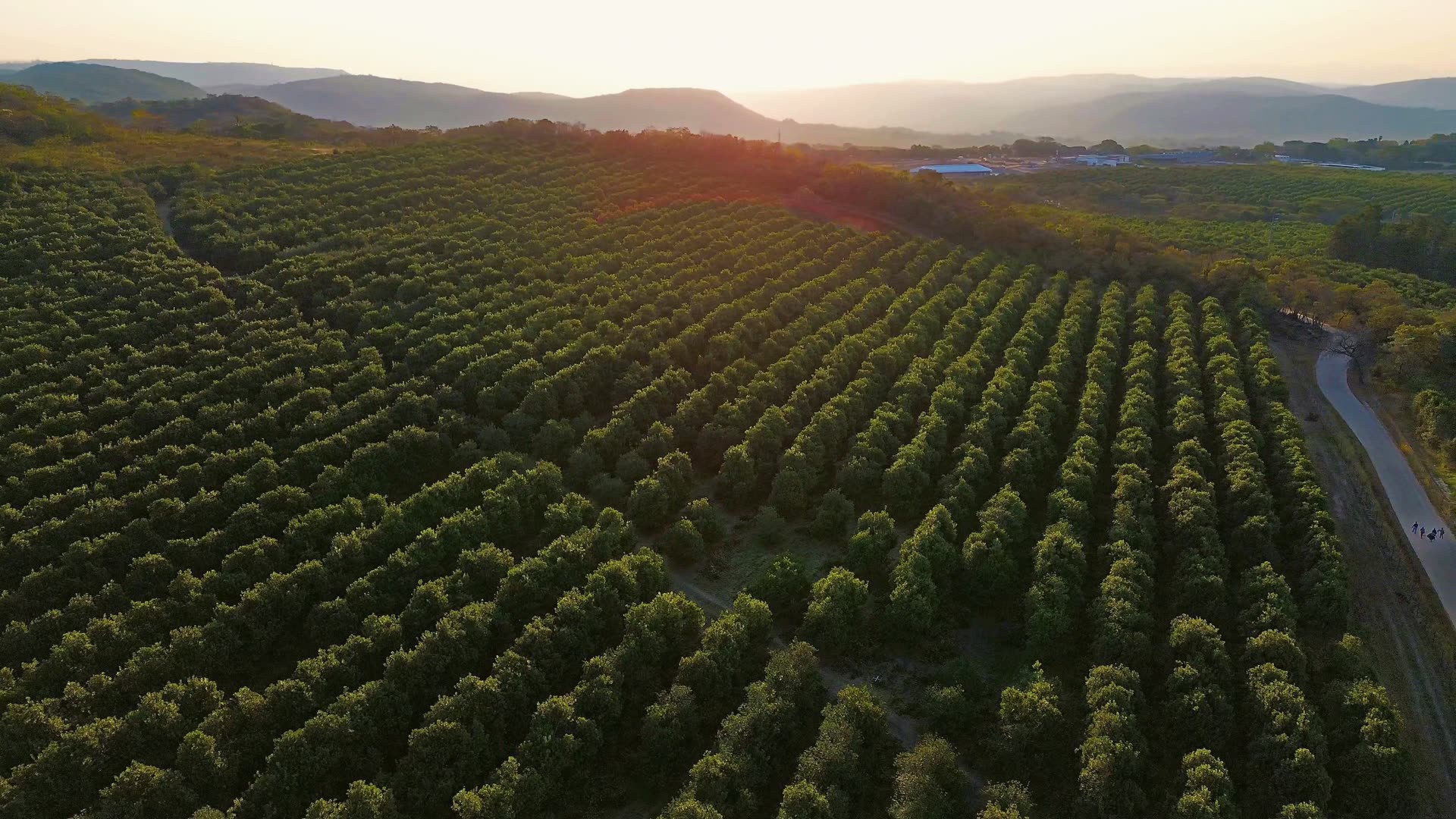
From the ground a macadamia orchard is a wall of green. From the air it becomes legible: mature blocks with their canopies closed over the rows, younger plantings still showing red soil between the trees, storage dams stepped down the slope, and the ribbons of natural bush and river line threading between them.
It is also where the proportions become plain. Of more than 390 hectares, 204 carry trees. Nearly everything else in these frames — the hillsides, the watercourses, the bush corridors between the blocks — is the part we chose not to plant.
02 — The Grove
A macadamia tree gives its first meaningful crop after five years — and then bears for fifty more.
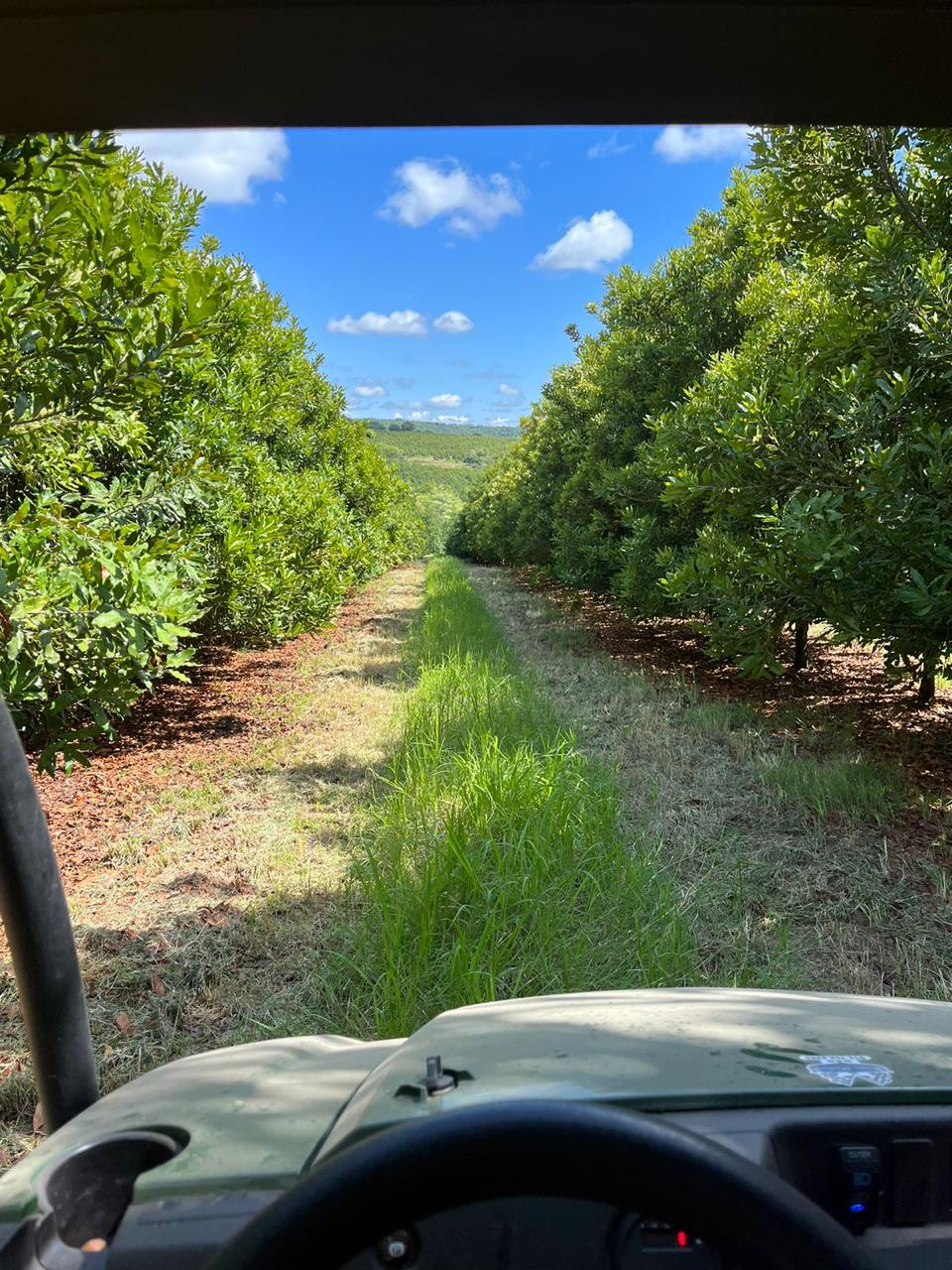
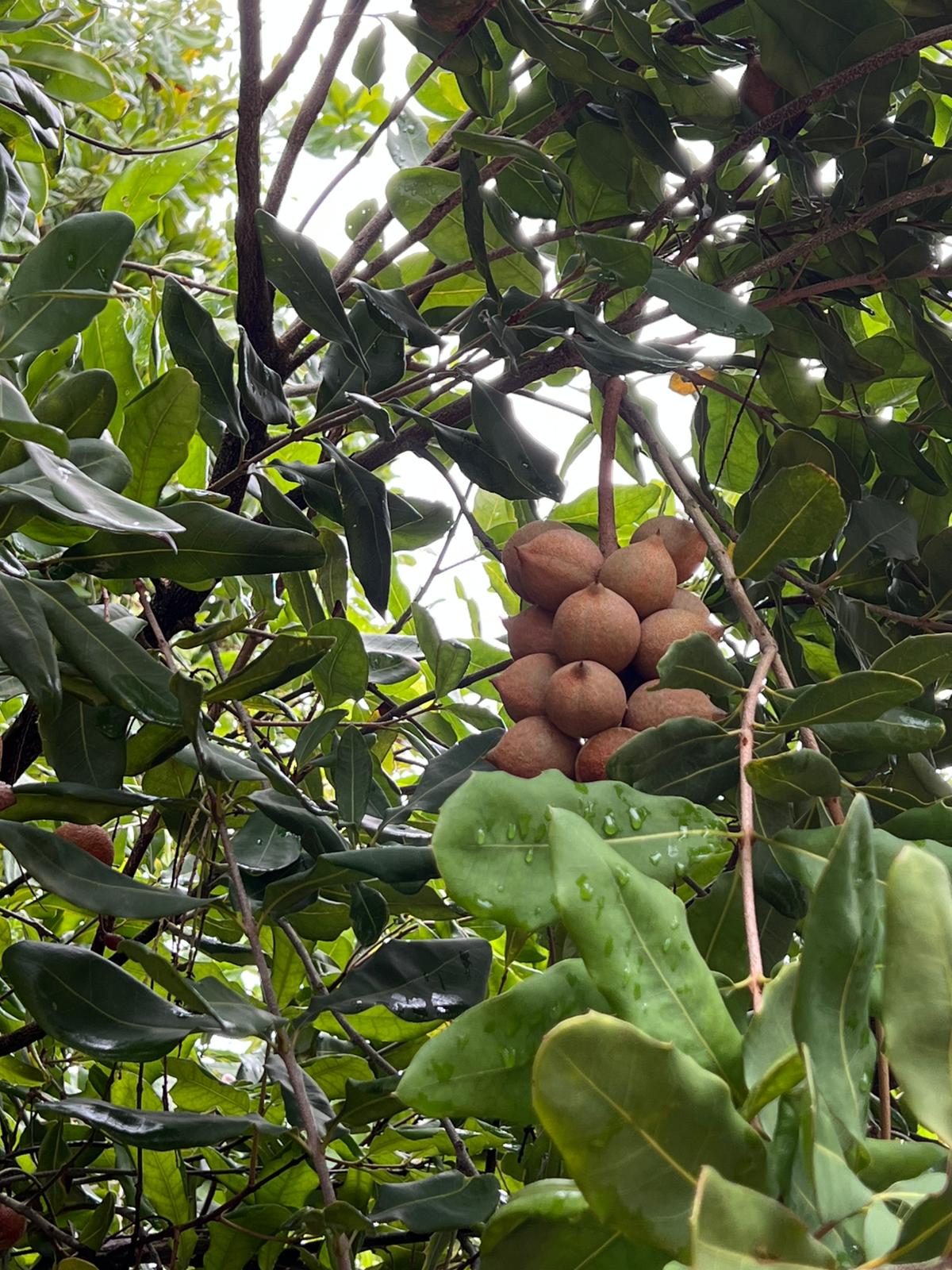
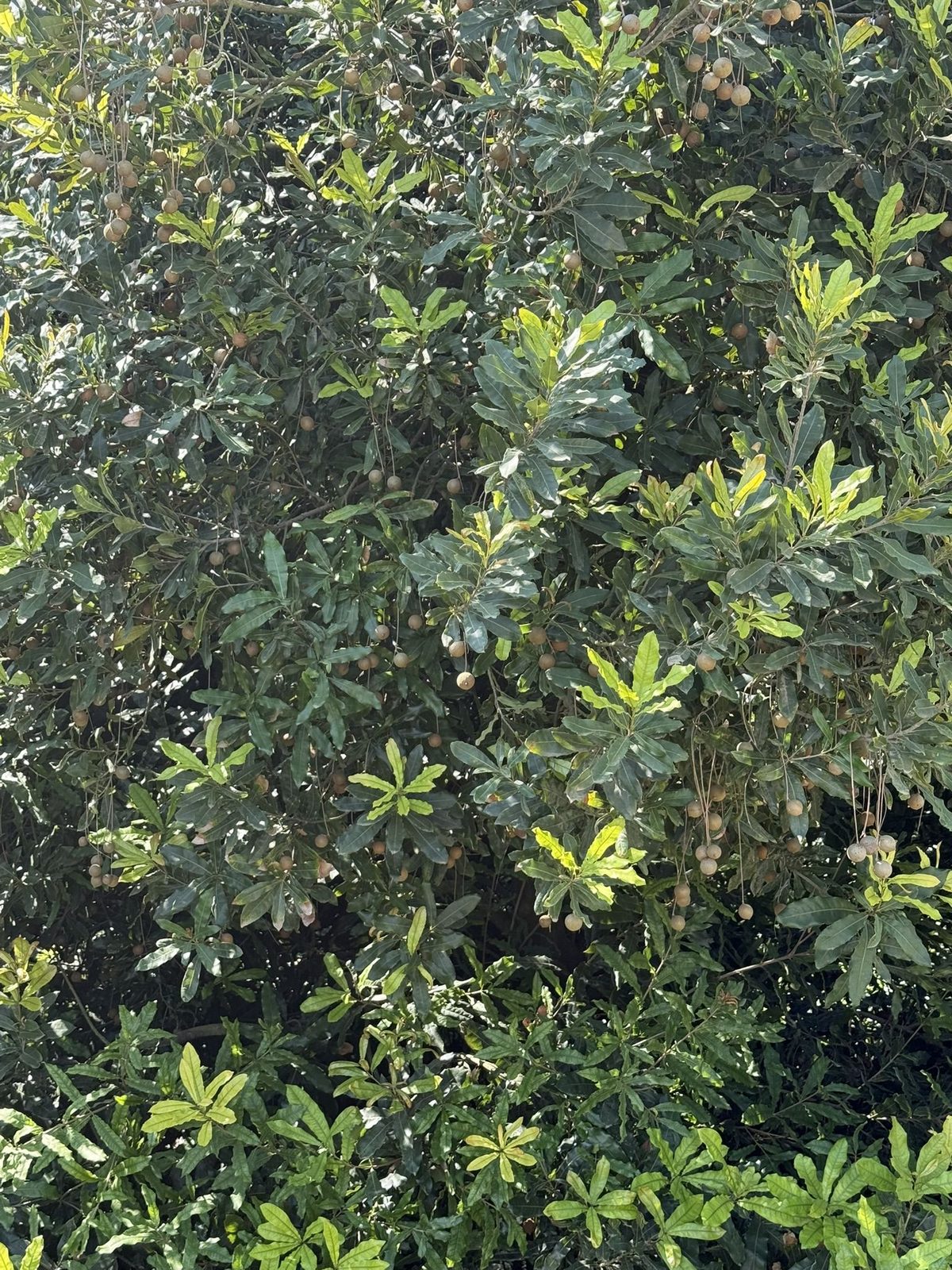
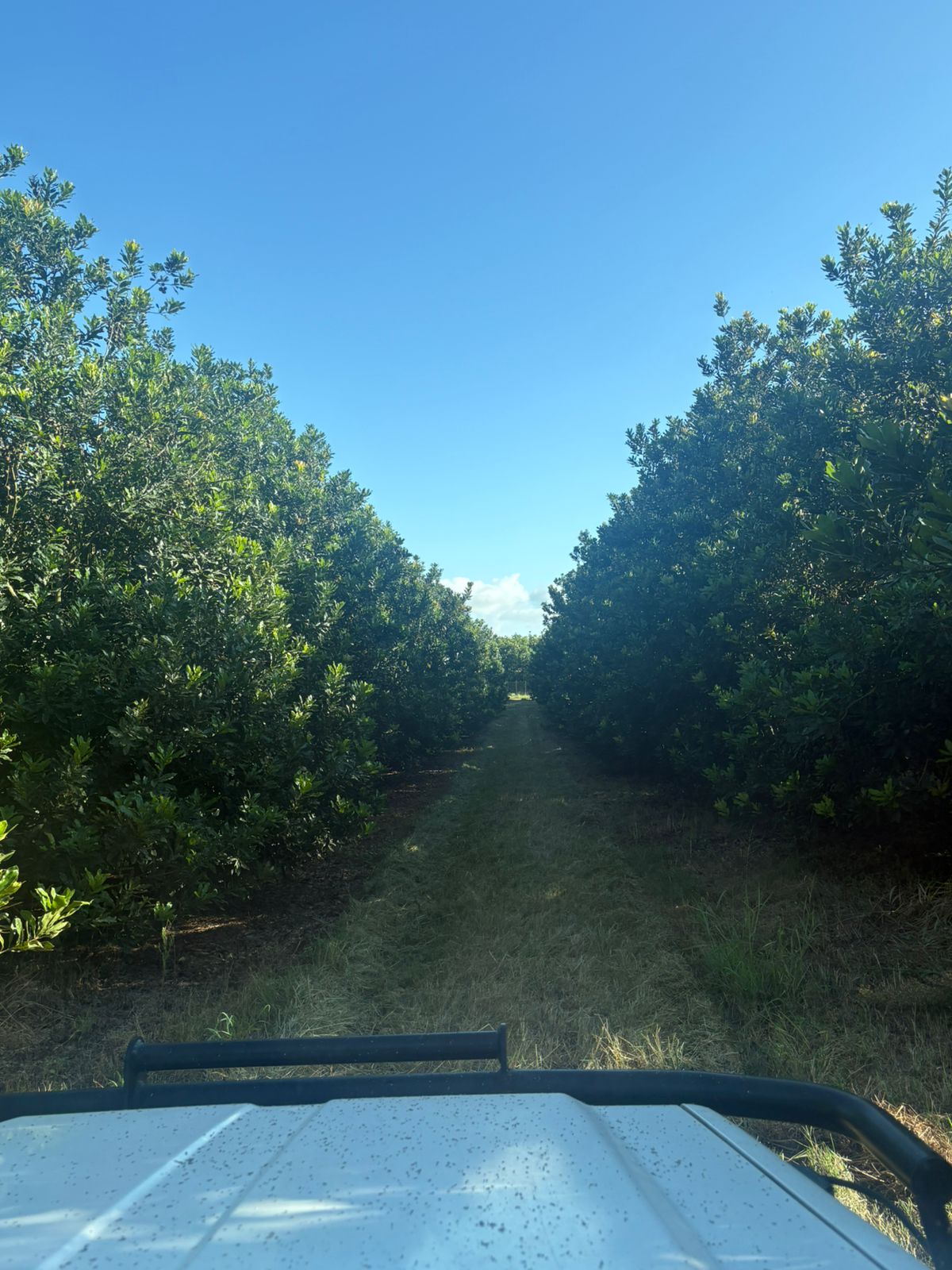
Our orchards are planted principally to Beaumont — a robust hybrid cultivar prized in the lowveld for its heavy, dependable yield and the stability of its cropping season to season, and for its distinctive pink-flushed blossom. Whole-kernel recovery isn't where Beaumont excels; its strengths are volume and consistency — and a compact, uniformly sized kernel that makes an ideal bite-size snacking format. The blocks step down the valley in generations of their own: mature trees with closed canopies, younger plantings still finding their shape, and open land where the next rows will go in.
Hazyview gives macadamias what they ask for: deep, well-drained soils, subtropical warmth, summer rain and the long, dry, golden autumn that lets the nuts ripen and fall in their own time.

03 — The Farm, In Good Hands
Farm Manager · Sunstone Valley
The day-to-day life of the grove is in the hands of Matthew Promnitz — a lowveld farmer through and through, who knows this valley's soils, seasons and moods the way you only can when you've grown up among them.
Matthew leads every operation on the estate: the pruning and nutrition programmes that keep 204 hectares of canopy healthy, the integrated pest management that lets us spray less and observe more, the irrigation scheduling that respects both the trees and the valley's water, and the harvest itself — the most demanding months of the farming year, when timing decides quality.
He carries the knowledge of the family that farmed De Rust before us, and adds to it a modern macadamia grower's discipline: moisture readings, kernel recovery rates, block-by-block records. Under his management the farm is run the way the brand reads — precise, unhurried, and honest.
04 — The Team
Five sections, one estate — and at harvest every one of them takes a second job.
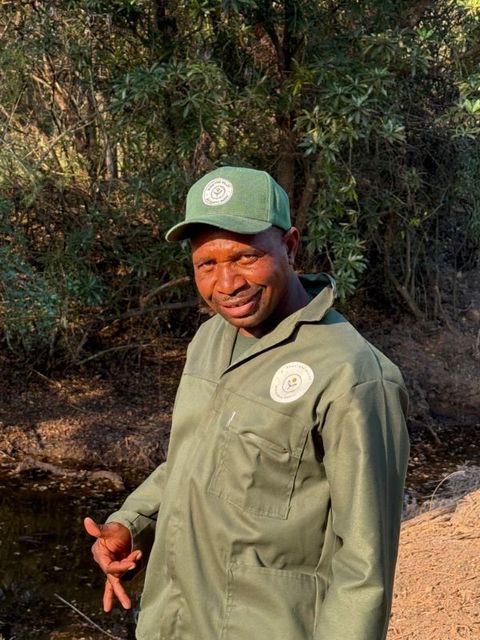
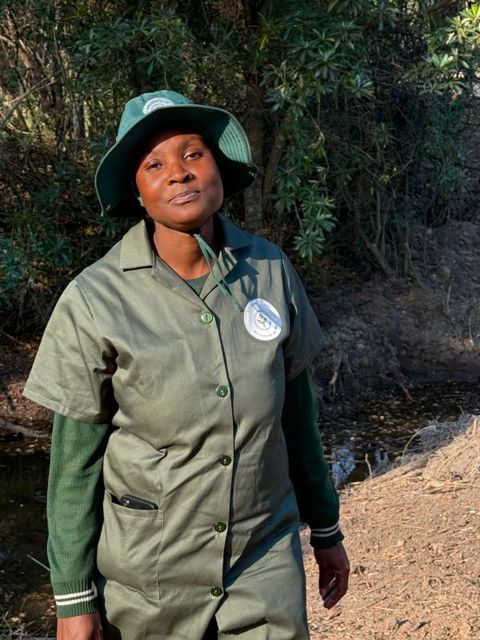
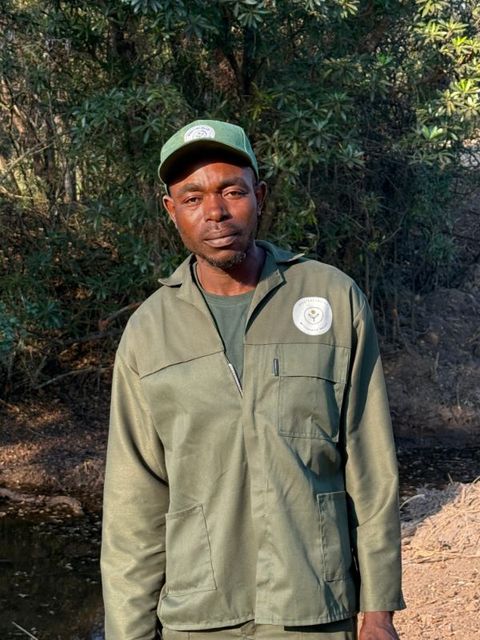
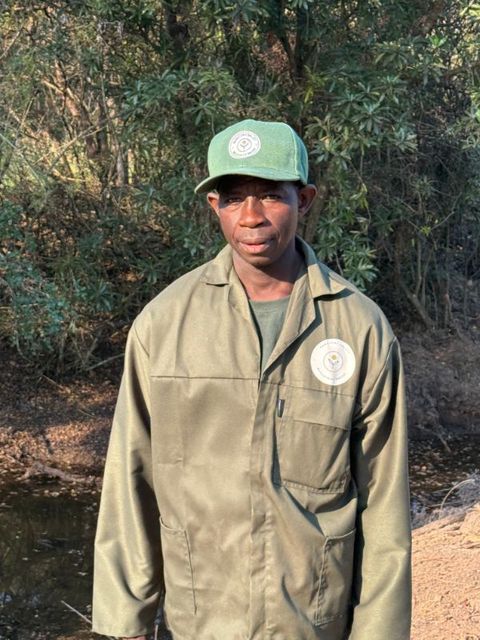
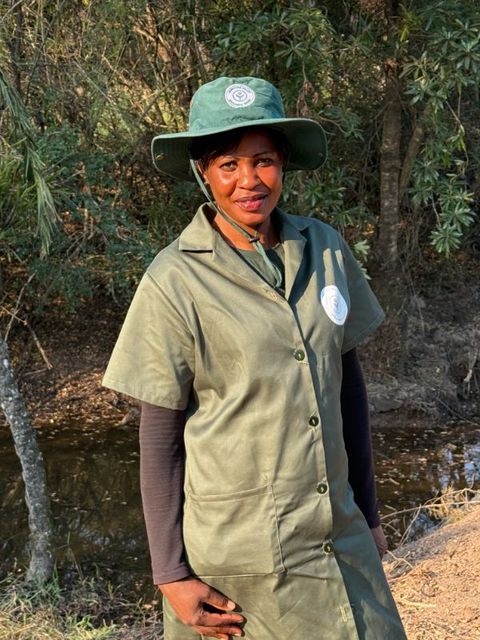
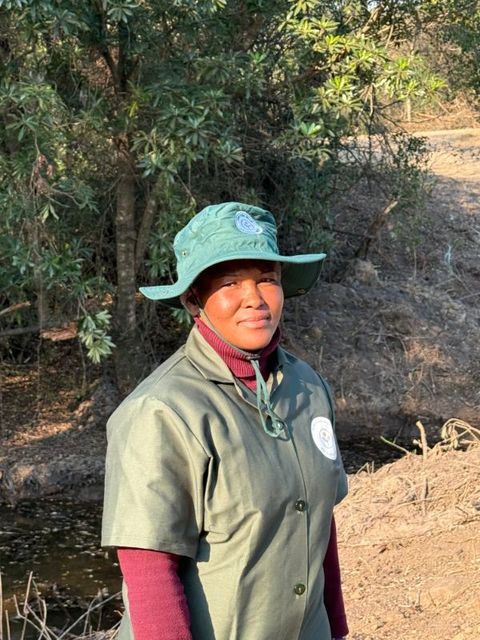
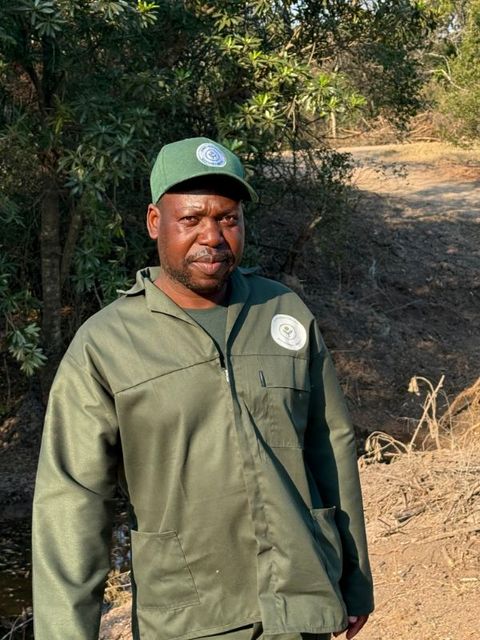
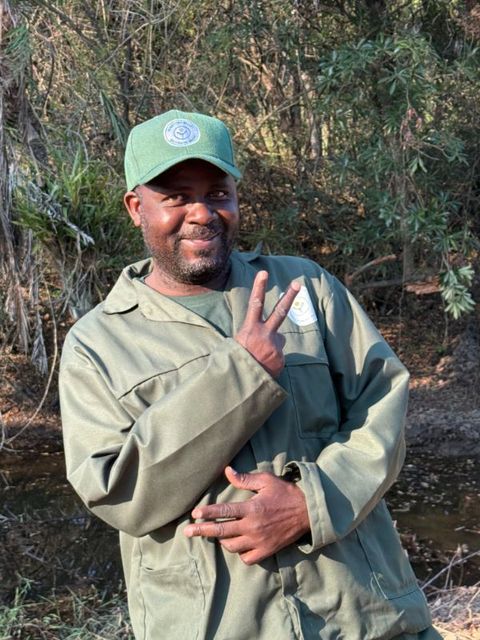
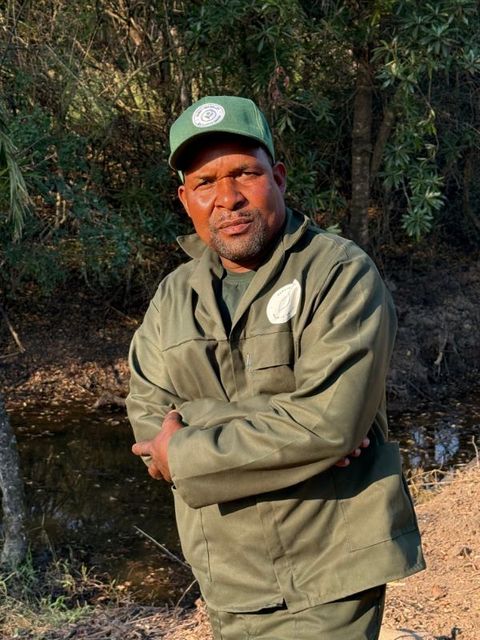
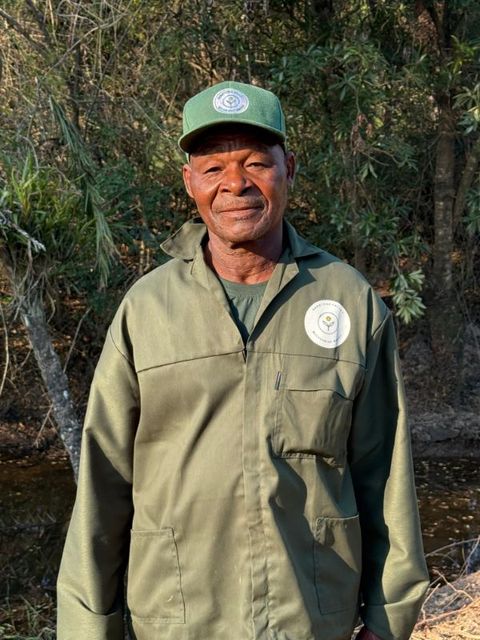
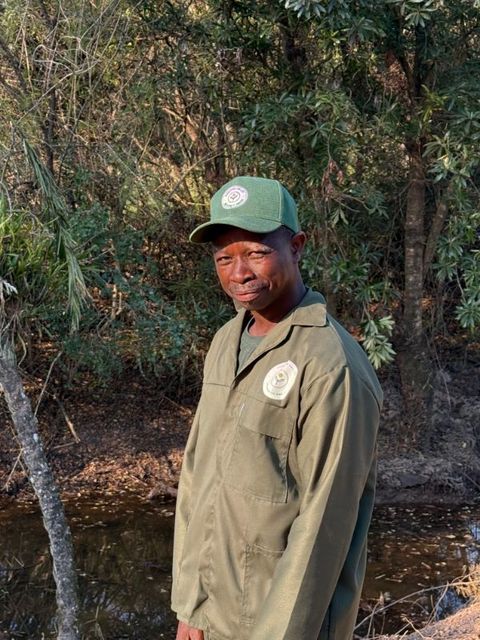
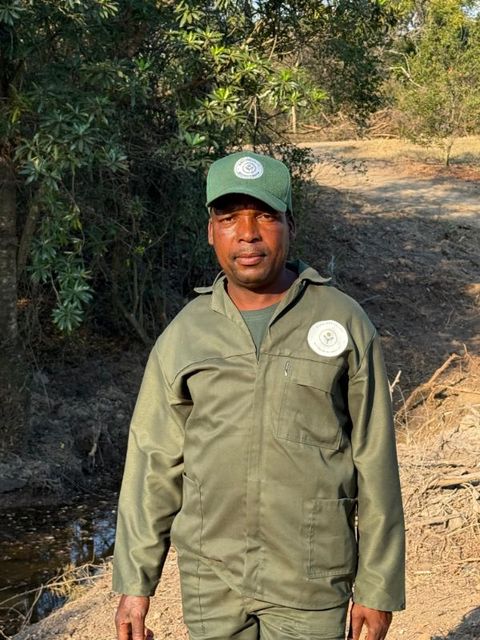
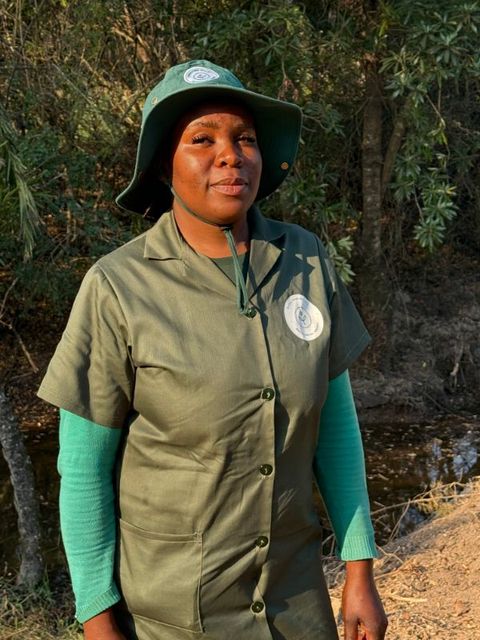
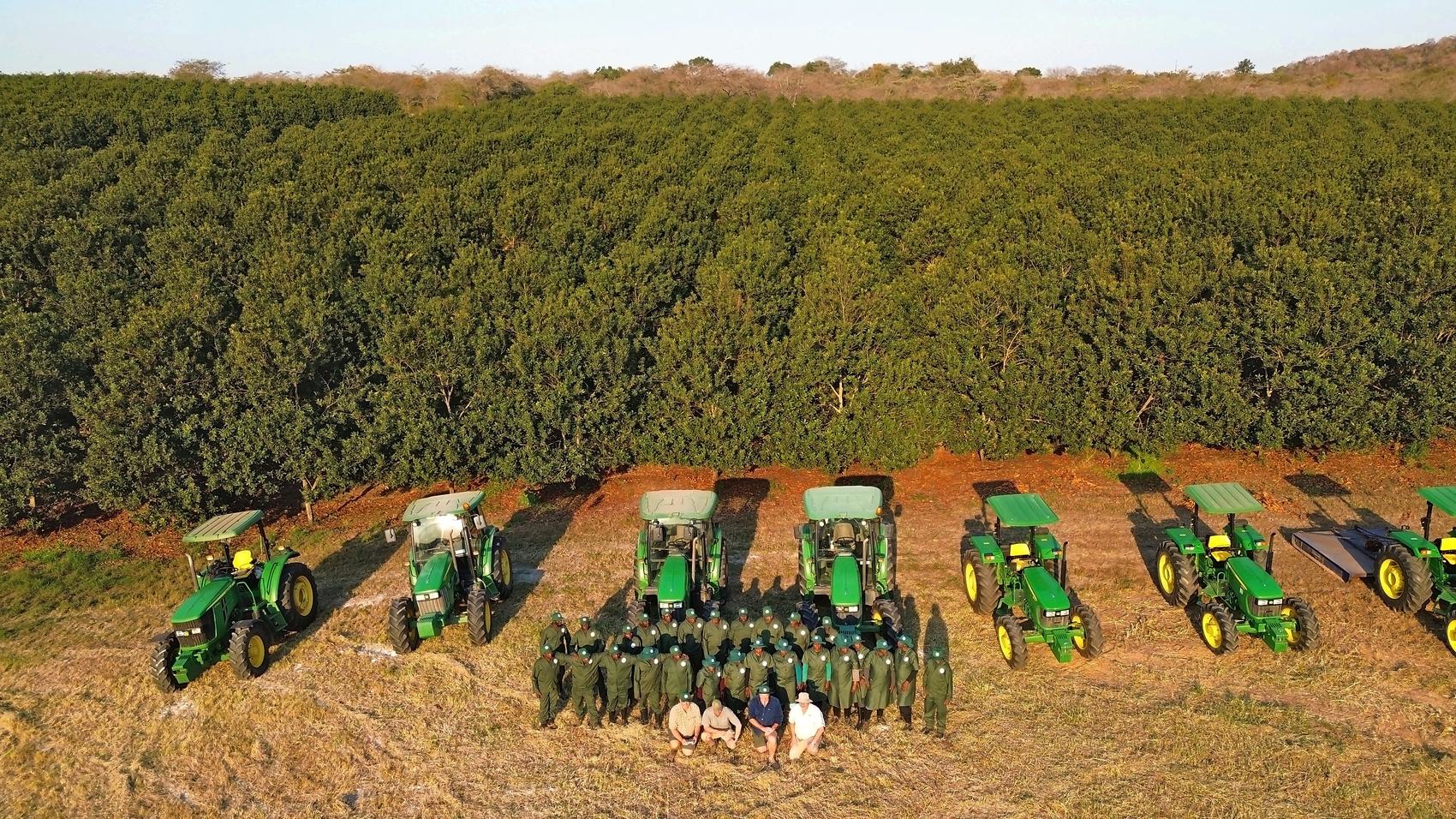
The farm employs twenty-six permanent people. Not a gate crew hired by the week — the same faces, season after season, most of them from the villages along this valley. Between them they hold the orchard, the water, the machinery and the office.
Under Matthew the estate divides into five sections. Orchard works the rows: pruning, brush cutting, and the ground beneath the trees. Irrigation & maintenance keeps the water moving and the lines sound. The workshop runs the tractors and everything else that turns. Admin keeps the books, the attendance and the dehusking plant. And a two-person management answers for all of it.
At harvest the map is redrawn. The same twenty-six take second roles — knocking teams under the trees, the dehusking plant, the tractor runs — which is why this farm brings a crop in without hiring a stranger to do it.
The Crew
The whole crew and the full tractor fleet at the end of a working day — photographed from the air in the orchard at De Rust.
05 — The Macadamia
A macadamia is not hurried. From flower to finished kernel takes the better part of a year. Keep scrolling — the story tells itself.
Scroll — The Three Stages
Late in the southern winter the orchards flush with thousands of hanging flower tassels — racemes — each carrying a hundred or more blossoms. On Beaumont they blush pink. Bees work them for weeks.
Through the summer the nut swells inside a green husk, drawing oil into the kernel month by month. By late summer the kernel holds more than 70% oil — the measure of a mature macadamia.
Fallen, dehusked, cured and cracked — what remains is the kernel: creamy, 70%-oil, the reason for all of it. Sorted by wholeness and colour into the styles the trade knows it by.
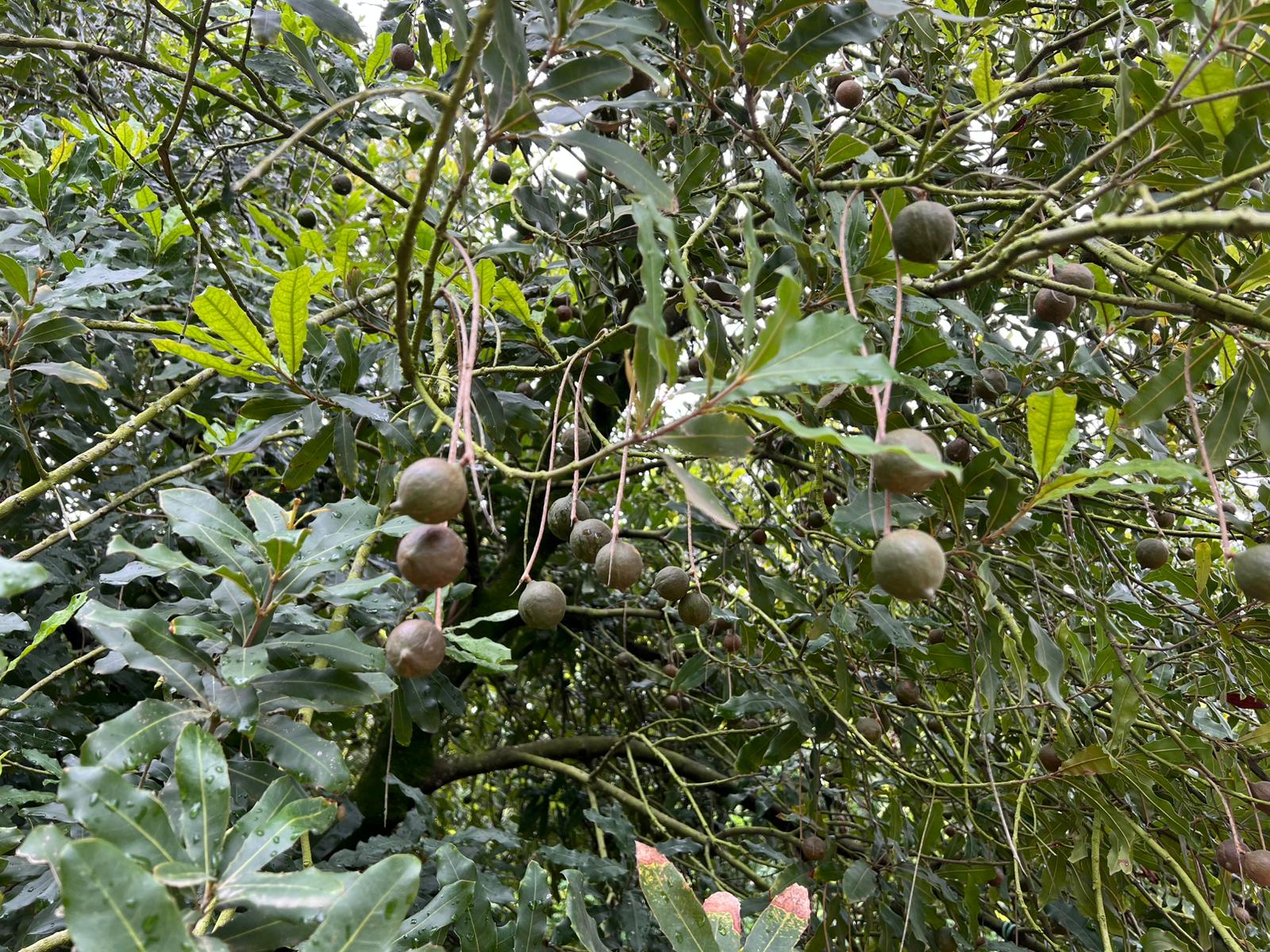
I.
From those winter racemes, only a handful of blossoms set fruit. The young nuts hang on long stalks through the canopy, swelling through the summer while the kernel fills with oil — 7 to 8 months from flower to maturity.
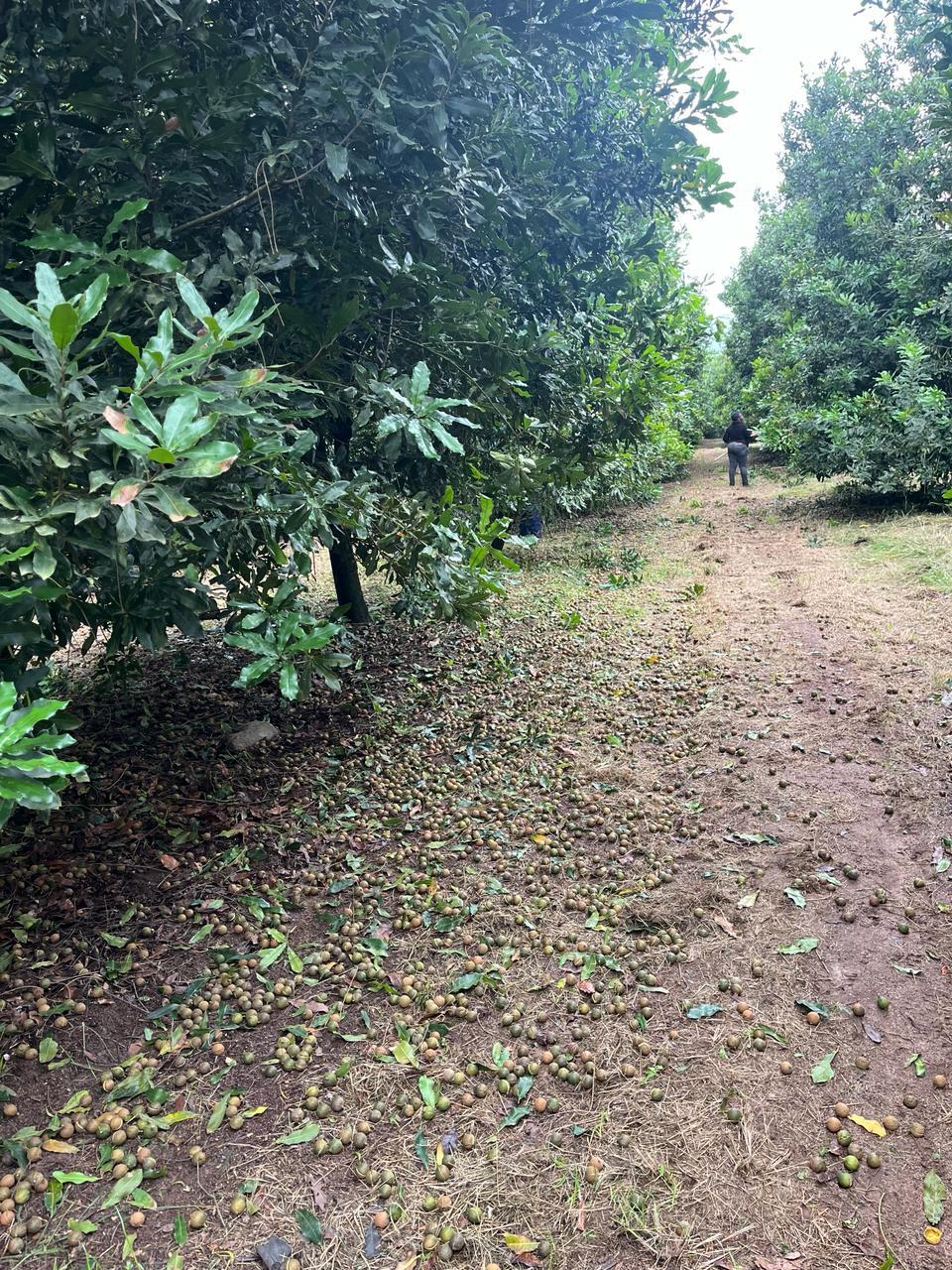
II.
From March to August the ripe nuts let go of the branch and fall — the tree's own signal that the oil is set. The orchard floor turns into a carpet of green and brown, and the most labour-intensive months of the year begin. Beaumont holds part of its crop on the tree, so the rows are also worked with harvesting rounds through the season.
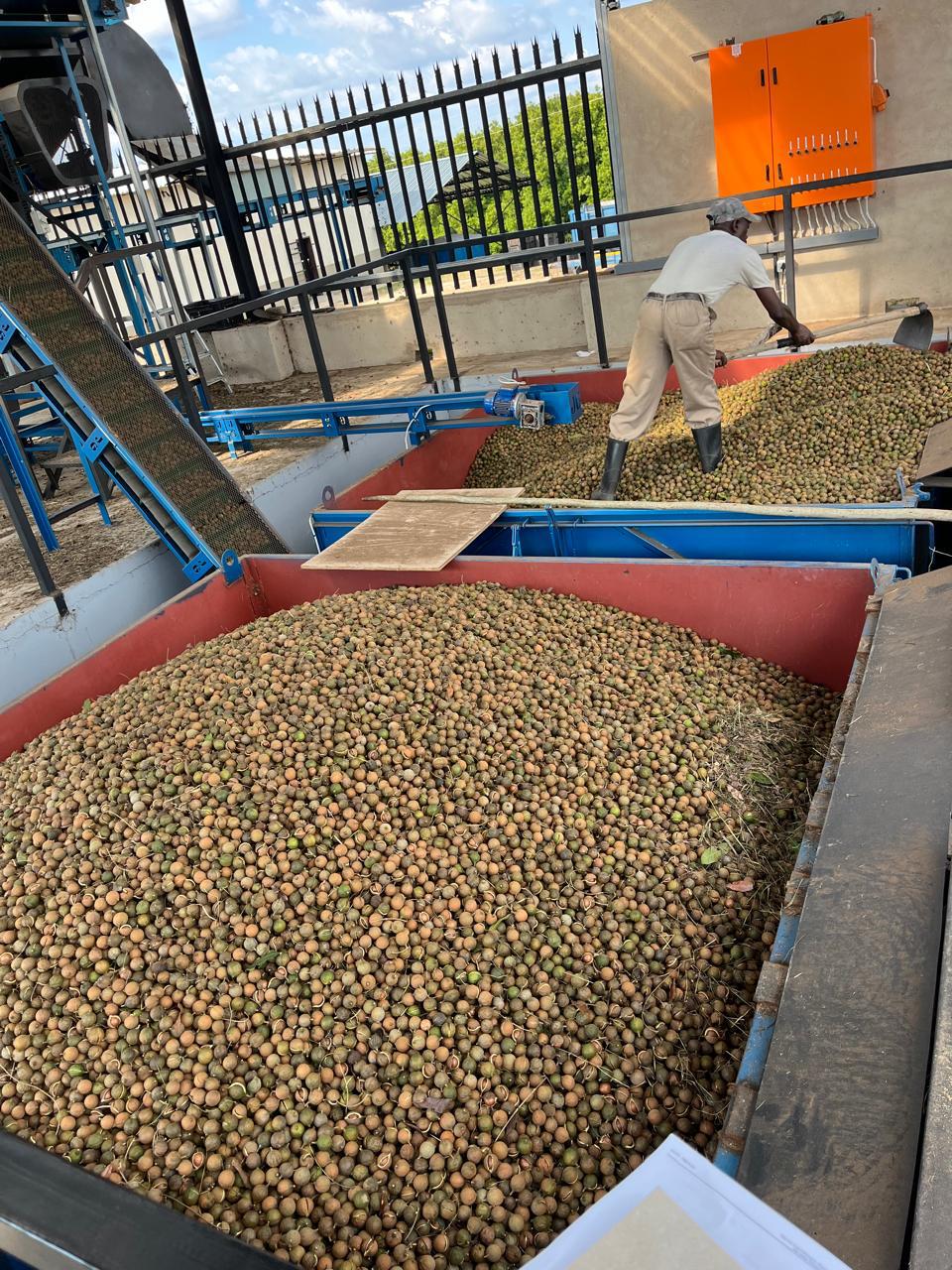
III.
Straight from the orchard, the harvest goes through the dehusker; the husk goes back into the orchards as compost. Then the slowest step: curing. Fresh nut-in-shell holds ±25% moisture and must come down to ±1.5% before cracking — weeks in drying bins under ambient, then gently warmed air. Done right, the kernel shrinks free of the shell.
IV.
The macadamia has the hardest shell of any commercial nut — roughly 2,000 kPa to break it. Cracking is a precision trade: calibrated rotating crackers fracture the shell along its natural suture line while sparing the kernel. Shell becomes fuel and mulch; kernels are sorted by air, sieve and eye — and this is where the grades are born.
What Comes Out Of The Cracker
Every kernel is graded by how it leaves the shell — whole, in halves, or in pieces. The trade names them "styles".
| Style | What it is | Typically found in |
|---|---|---|
| Style 0 | Extra-large whole kernels — >20 mm, released from the shell unbroken. | Gifting, whole-kernel retail |
| Style 1 | Whole kernels — predominantly wholes; the grade the trade pays most for. | Snacking, roasting |
| Style 2 | Wholes and halves in mixture — whole-kernel character at a working price. | Retail packs, food service |
| Style 4 | Halves — the kernel split cleanly along its natural seam. | Chocolate, confectionery, baking |
| Style 5 | Large pieces and halves. | Bakery, ice cream |
| Style 6 | Pieces — irregular kernel pieces of middling size. | Cookies, cereals, snack mixes |
| Style 7 | Small pieces. | Ingredients, inclusions |
| Style 8 | Fine pieces and chips — nothing of the kernel is wasted. | Nut butters, oils, flours |
Beaumont, our principal cultivar, is valued for its consistent kernel recovery and its high share of sound, whole kernels — the styles at the top of this table. Whatever the style, every lot that leaves the estate is dated, graded and traceable to its block.
Trace Your Batch
Every consignment that leaves the estate carries its own batch number and a QR code on the dispatch note. Scan it — or type the code below — and the batch tells its story: the block it grew on, the weeks it was picked, and its journey from our drying bins to the processor.
06 — Stewardship
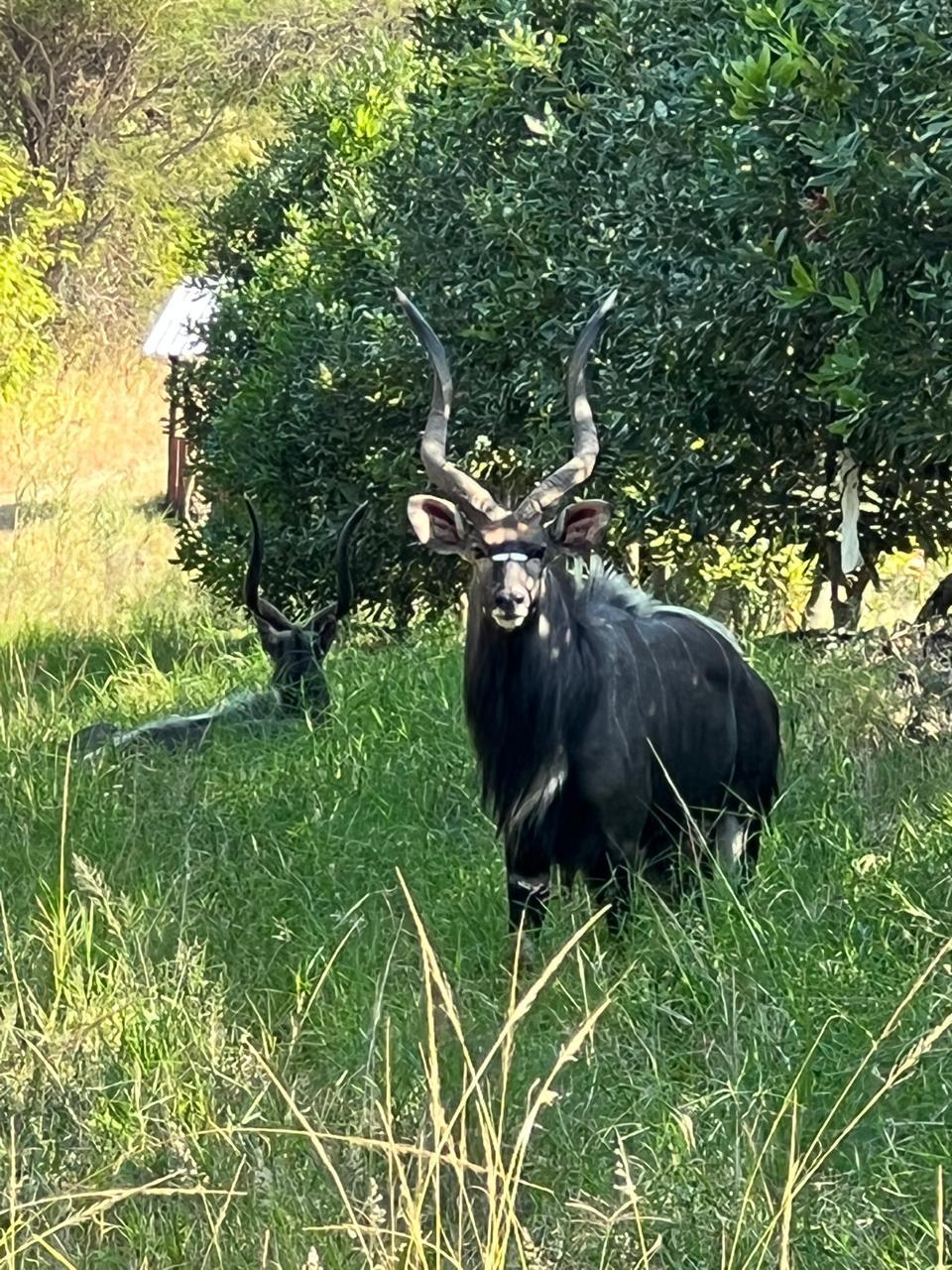
Of our 390-plus hectares, 204 are planted. The rest is bush, grassland, river line and hillside — left that way on purpose. Nyala browse between the orchard rows at dawn; bushbuck, duiker and a valley full of birdlife treat the farm as their own. We consider that a measure of success, not a loss of yield.
These were the ideals of the family who built De Rust, and they are ours now: farm the planted land intensively and honestly, and leave the rest to be what it has always been.
Husks and shells return to the soil, natural bush stays uncleared, and spraying gives way to observation wherever the orchard allows it.
The people of this valley have worked this farm for generations. Their knowledge, employment and dignity travel with the estate — whatever name it carries.
More than 150 hectares of habitat: game moving freely, bees pollinating the bloom, owls hunting the rows — a farm that works because the ecosystem around it does.
07 — Community
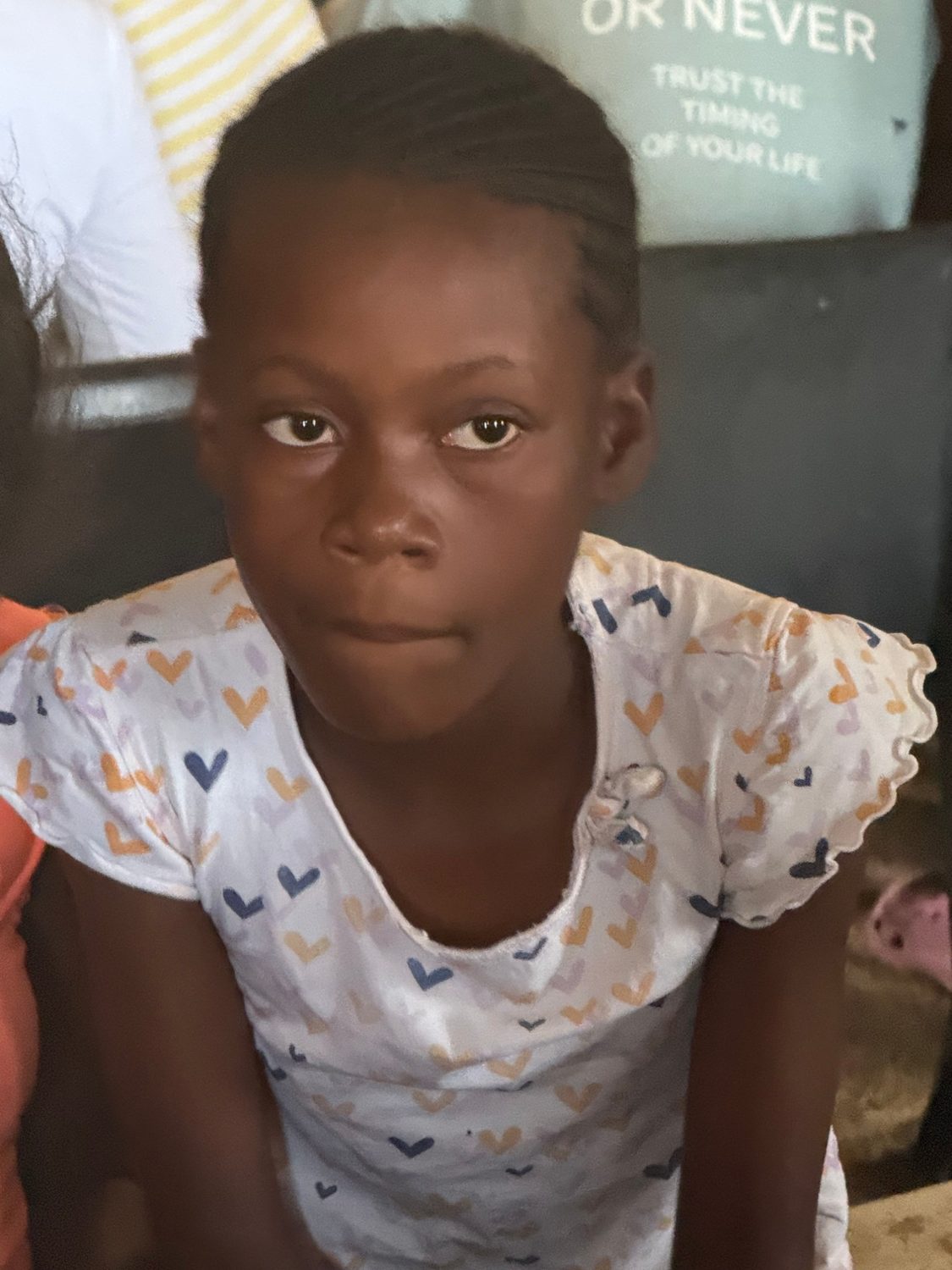
SizaBantwana is not an orphanage with walls and beds. It is care workers who walk house to house, and centres where a child can eat.
Hazyview sits in a district carrying one of the heaviest HIV burdens in the world. In the settlements around the town — Shabalala, Marite, Alexandria and the townships beyond them — more than eight in ten families live below the poverty line. Work is scarce, the drug trade is not, and violence against girls is common enough that families plan their days around it. When a parent dies or can no longer cope, a child moves in with a grandmother, or a neighbour, or an older sister who is fourteen. Some are left with nobody at all.
SizaBantwana — help the children — began in the 1990s, when Frank Mashego started looking after children he found living alone in his own community. It was formally constituted with the Dutch Reformed Church of Hazyview, and it runs today on trained child and youth care workers who walk a round of houses: checking on the sick, chasing school attendance, registering children for the state grants they are owed, and sitting with them when there is nothing to be done but that.
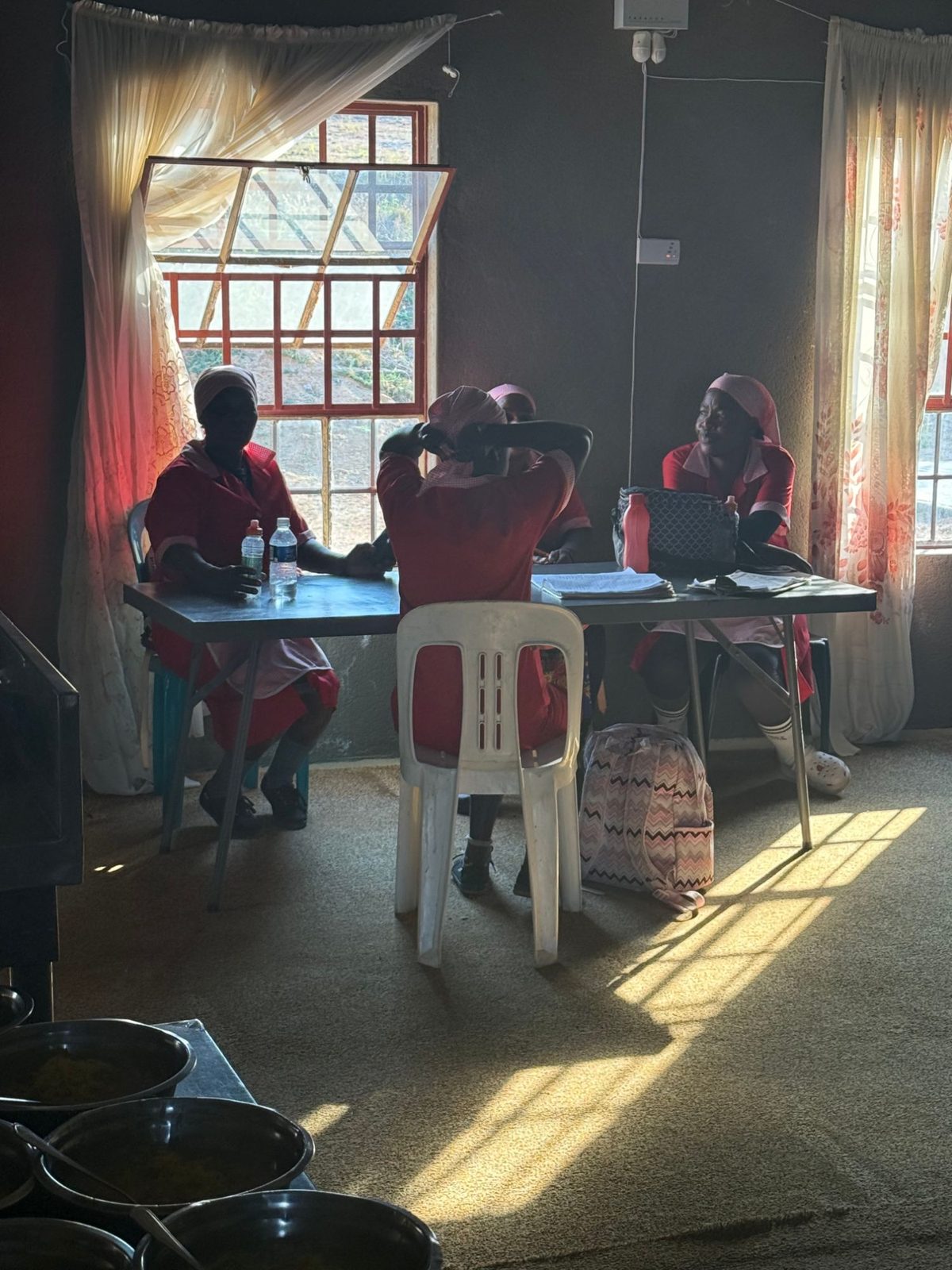
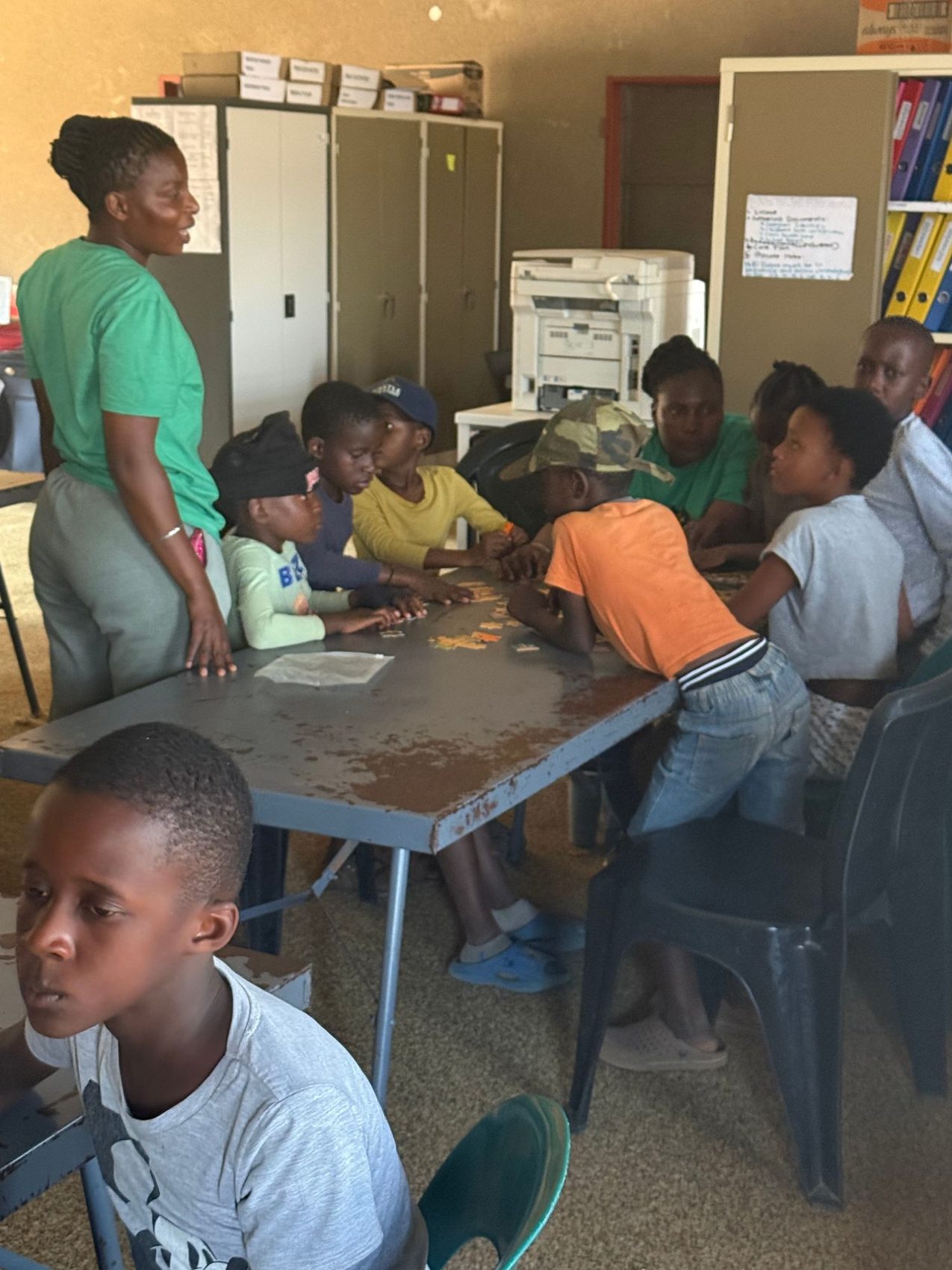
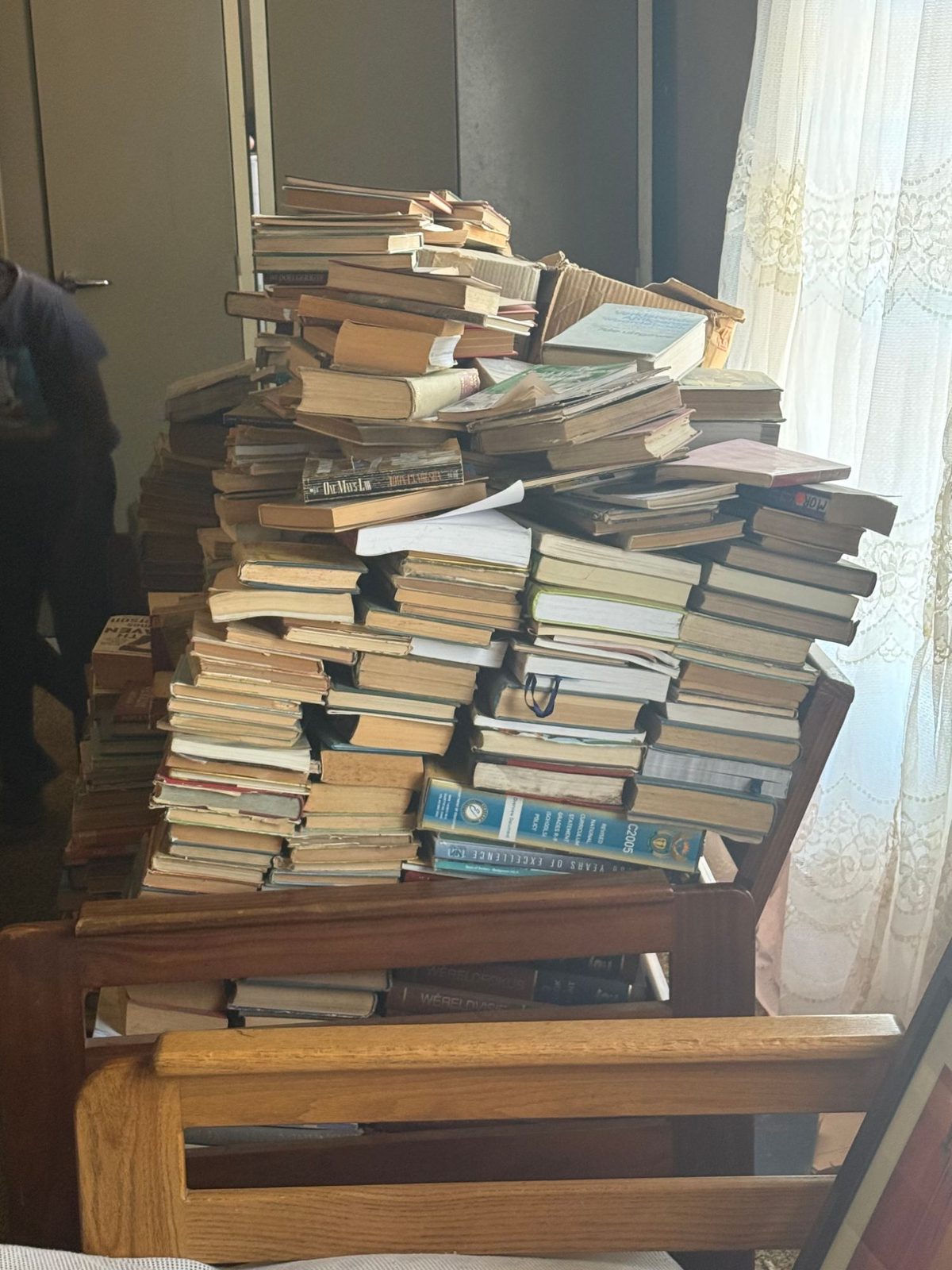
At a care centre the day is plain, and it is enough. A cooked meal on a steel plate. Homework at a folding table. A room that is warm and safe until the light goes and everyone walks home. The freezers are stocked by donation. The library is a stack of second-hand books somebody drove up from the city.
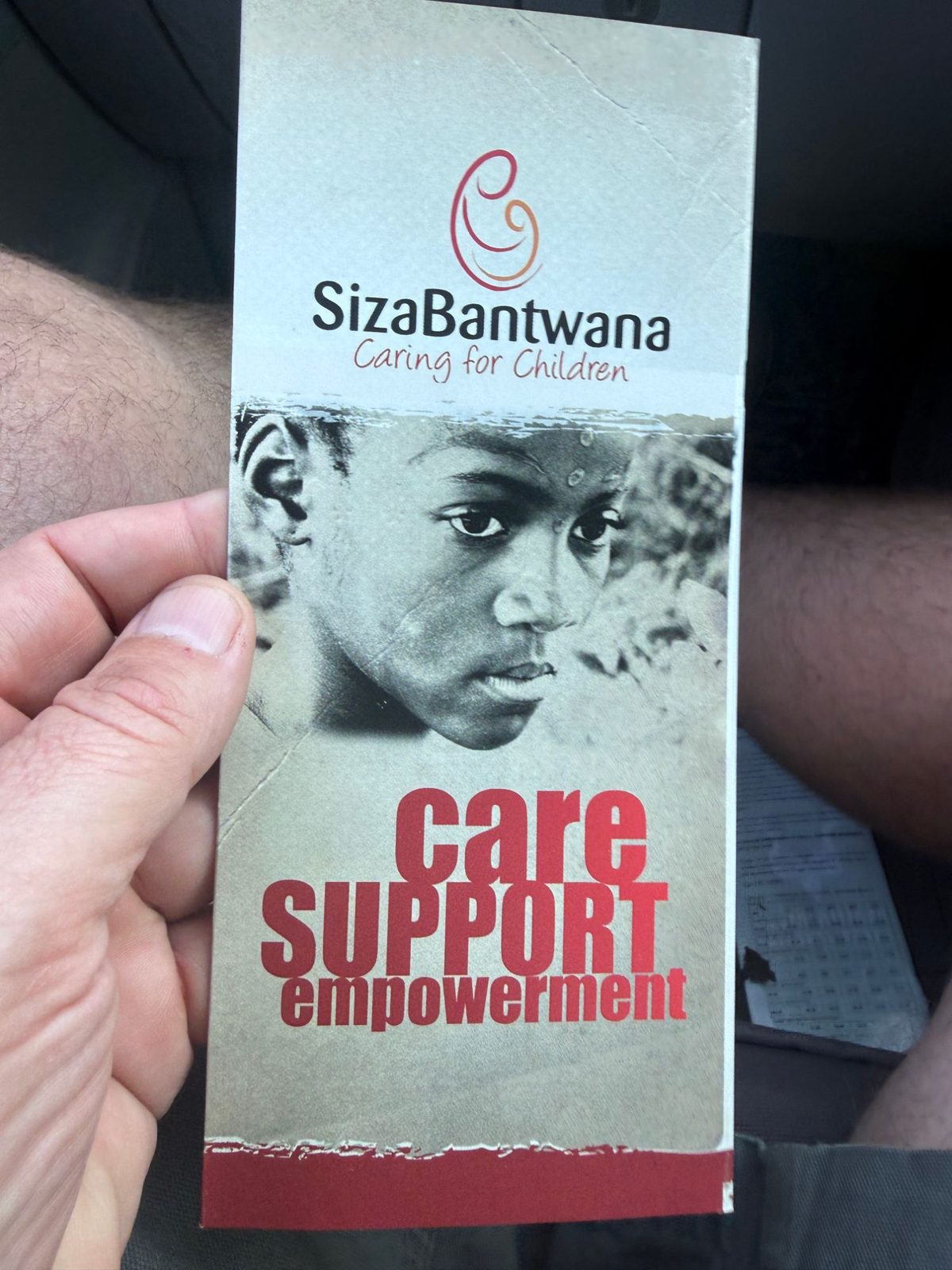
As reported by SizaBantwana Children Benefit Organisation
The Full Story
The manager of SizaBantwana on what the organisation does, who it reaches, and what it still needs.
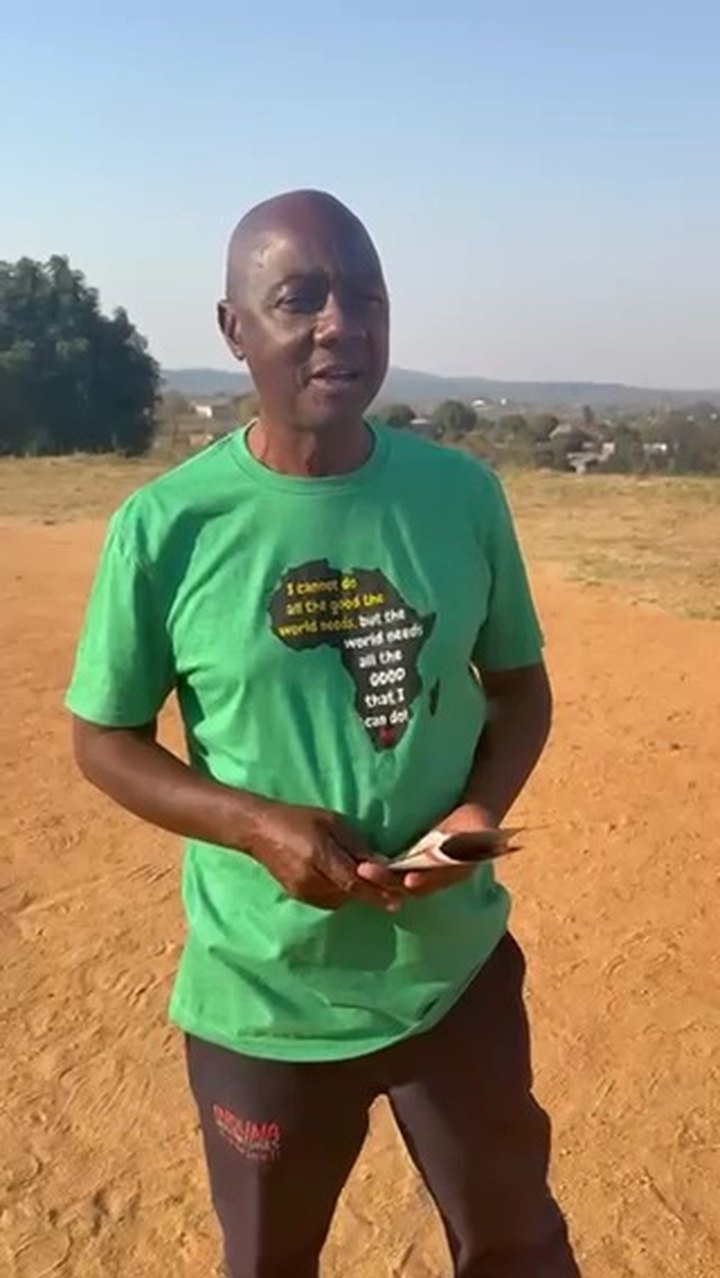
Frank MashegoSizaBantwana · Hazyview
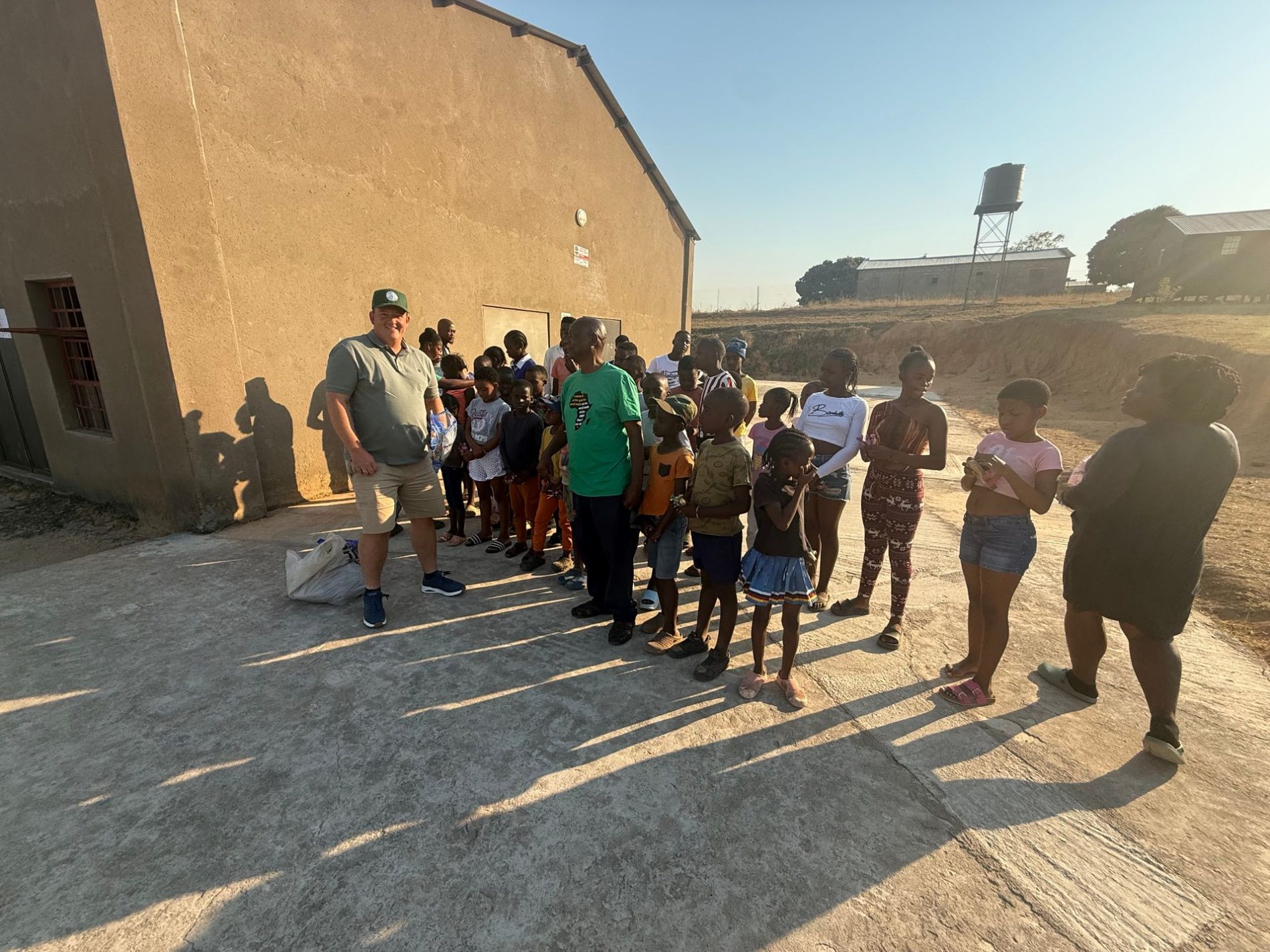
He walks through what the organisation does, who it reaches, and what it still needs — standing on the open ground outside the centre, in the shirt he wears to work.
“I cannot do all the good the world needs, but the world needs all the good that I can do.”
Film coming soon
A Day At The Centre
Thirty-odd steel bowls, laid out in rows on a folding table — the reason many of them came.
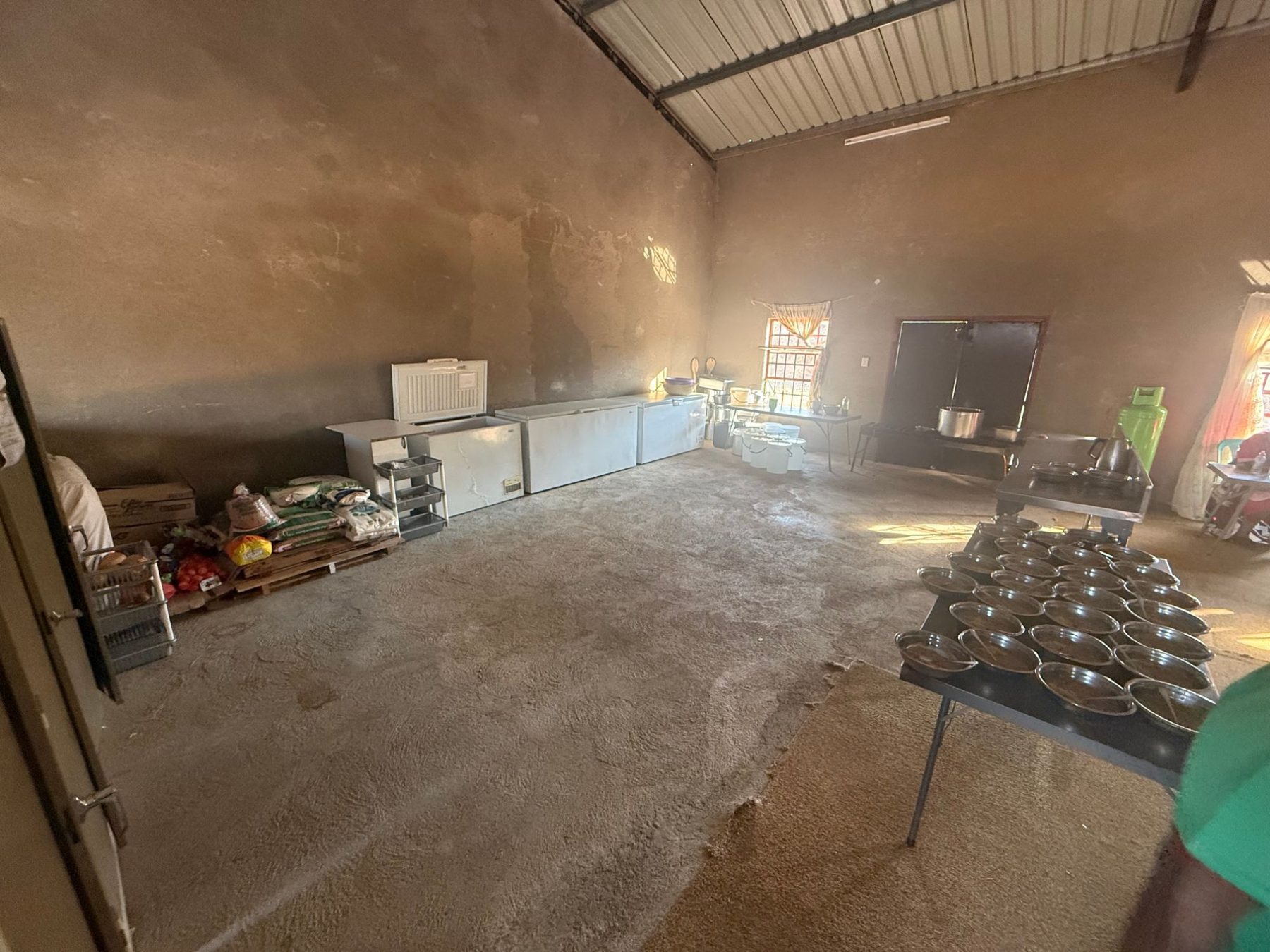
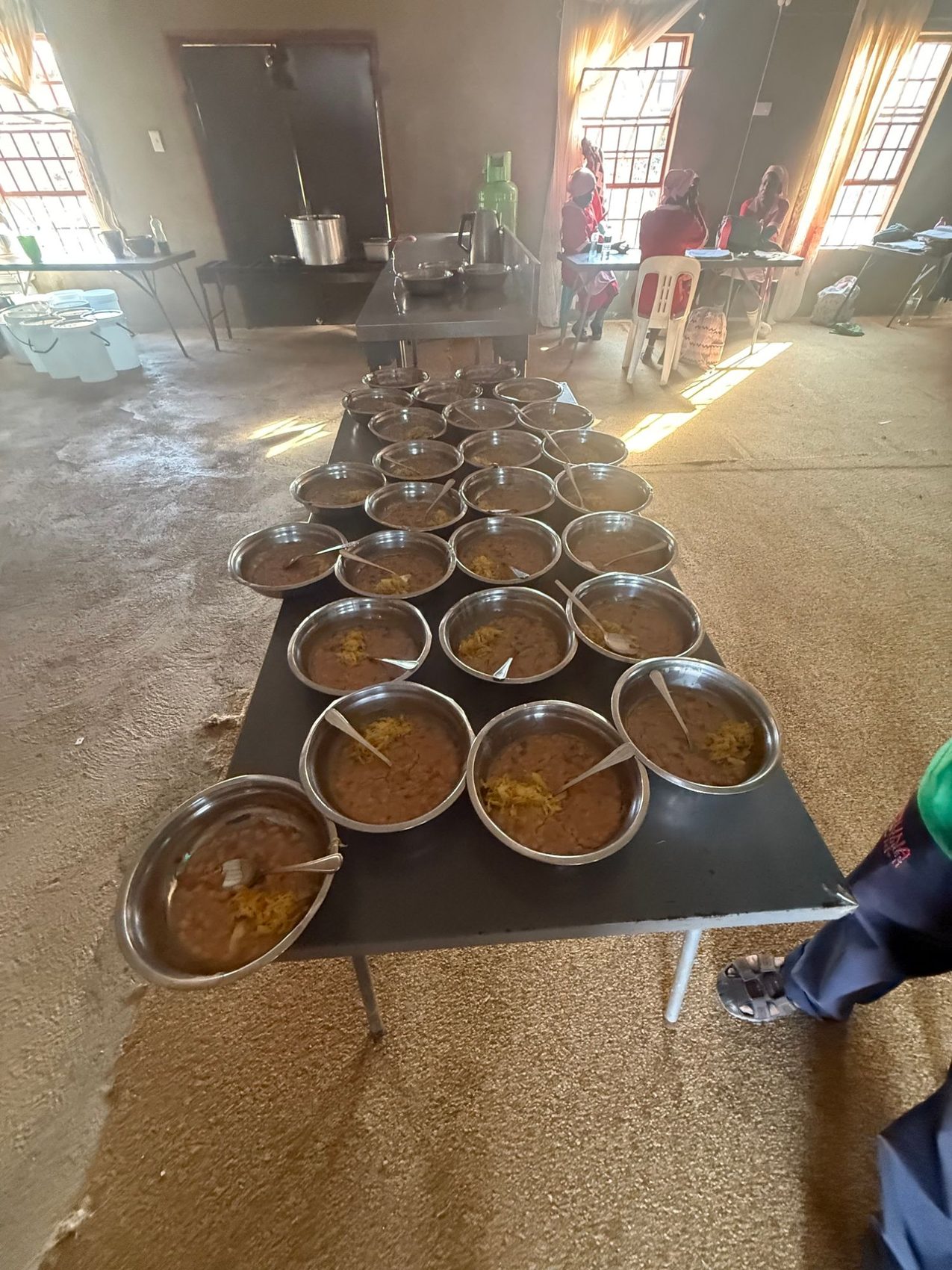
Care. Support. Empowerment.
SizaBantwana Children Benefit OrganisationOur Part
A farm this size is the largest thing in its valley. It employs people from these communities, buys from them and depends on them. Treating the children of that same valley as somebody else's problem was never really available to us.
Bridgemont Family Capital — the family office behind Sunstone Valley — has formally adopted SizaBantwana. That means two commitments, and we would rather be measured on both than praised for either.
A fixed line in the farm's budget, paid every year — so the centres can plan a year ahead instead of a month.
We put SizaBantwana's most urgent needs in front of people and companies in Europe who are in a position to meet them.
The Valley
Orchard blocks stepping away toward the hills — the whole estate in one look: planted land, open land, and the light that names it.
08 — Contact
Stay on the farm Sunstone Lake House — the lake house on the estate, let whole to one group at a time.